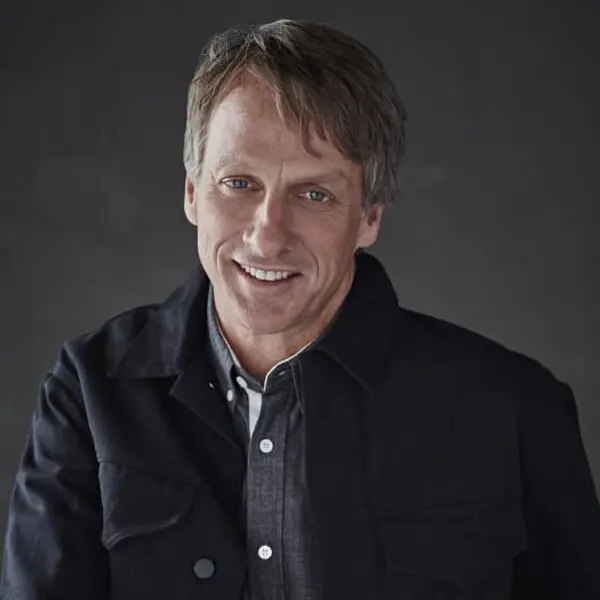
Tony Hawk
Legendary Skateboarder & World Champion | Entrepreneur | Founder, The Skatepark Project | NYT Bestselling Author | 16x X Games Medalist


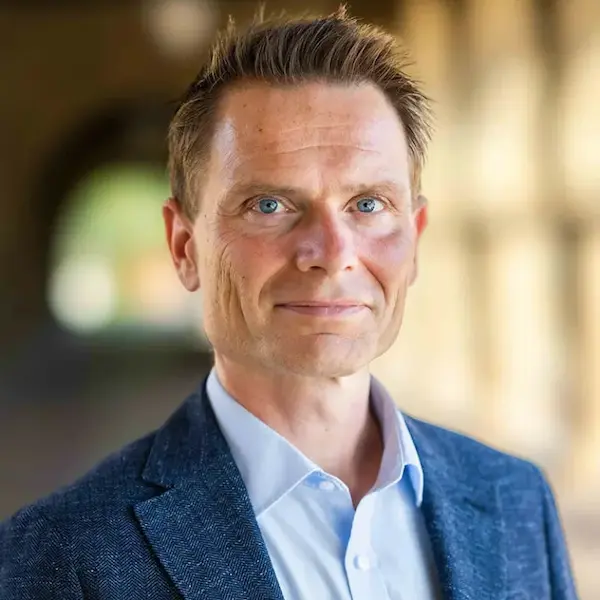
Leading Economist on Working From Home, Productivity & Management | William Eberle Professor of Economics, Stanford University | Creator of the 'Donut Effect'
Nicholas Bloom is a Stanford economist and one of the world's foremost authorities on working from home and productivity. His landmark research, including a Trip.com experiment in Nature, brought hard data to the remote-work debate and showed that good hybrid schedules maintain productivity while cutting turnover. On stage, Bloom replaces anecdote with evidence, helping leaders design hybrid models that work and rethink where and how work gets done.
Want to book Nicholas Bloom as a speaker for your event? Please provide the info below and we’ll get in touch within 24h:
Future of work speaker Nicholas Bloom is one of the world’s foremost authorities on working from home, productivity, and management. The William Eberle Professor of Economics at Stanford University, he has done more than almost anyone to bring hard data to the debate over how and where work gets done, advising companies and governments on building more productive, resilient organizations.
Bloom is best known for his pioneering research on remote and hybrid work. A landmark randomized experiment he ran at Ctrip, now Trip.com, found that home-working employees were significantly more productive, far less likely to quit, and added roughly $2,000 in profit each. His 2024 study of more than 1,600 Trip.com workers, published in Nature, showed that a two-day-a-week hybrid schedule had no negative effect on productivity or promotions while cutting resignations by 33 percent. He co-leads WFH Research, the group behind the widely cited surveys tracking how the world actually works.
His influence reaches well beyond remote work. Through the World Management Survey, Bloom has measured the quality of management practices across thousands of firms worldwide and shown how strongly good management drives productivity and competitiveness. He coined the term the “Donut Effect” to describe how people and activity have moved out of city centers toward the suburbs, reshaping real estate, talent, and local economies. He has also argued that the post-2020 surge in US productivity is driven in part by the rise of working from home.
One of the most cited economists in the world, Bloom is a Senior Fellow at the Stanford Institute for Economic Policy Research, Co-Director of the Productivity, Innovation and Entrepreneurship Program at the National Bureau of Economic Research, and a Senior Fellow at the Centre for Economic Performance. Before academia, he worked as a consultant at McKinsey & Company and as a policy advisor at the UK Treasury. His research is regularly featured in The New York Times, The Economist, and Harvard Business Review.
As a speaker, Nicholas Bloom replaces opinion and anecdote with clear, rigorous evidence, delivered with energy and a refreshing lack of jargon. He helps leaders cut through the noise on return-to-office mandates, design hybrid models that actually work, and respond to economic uncertainty with confidence. Audiences leave with practical, data-backed strategies they can put to use right away.
Few topics generate more heat and less light than remote and hybrid work. Drawing on the largest body of evidence in the field, including his randomized studies and the global surveys run by his WFH Research group, Nicholas Bloom cuts through the noise. He shows what actually happens to productivity, retention, careers, and culture under different work models, and makes the evidence-based case that a well-run hybrid schedule of around two days at home is a win for employees and employers alike. Leaders leave able to separate fact from headline and design policies that hold up.
In volatile times, the leaders who thrive are the ones who measure rather than guess. Bloom shows how rigorous research and reliable indicators can help anticipate trends and prepare effective contingency plans. Drawing on tools like financial-market signals and large executive surveys, he explains how flexible strategies, such as leasing rather than buying fixed assets, can reduce risk when the future is unclear. A practical session for leaders making big decisions amid uncertainty.
As organizations settle into hybrid work, the question is no longer whether to allow it but how to make it work. Bloom shares evidence-based strategies for preserving company culture, sustaining productivity, and keeping teams connected across in-person and remote days. He covers the objective metrics, equitable practices, and design choices that strengthen engagement, inclusion, and retention, and warns against the common mistakes that quietly undermine hybrid teams.
Bloom helps audiences understand the forces reshaping the post-pandemic economy, from shifts in business dynamism and inflation to labor-market pressures and the rise of remote work. He connects these trends to what they mean for hiring, investment, and growth, and offers recommendations for fostering innovation and entrepreneurship through a period of rapid change. A big-picture talk grounded in data rather than speculation.
Bloom coined the term "Donut Effect" to capture how people and economic activity have moved out of dense city centers toward the suburbs and beyond. In this keynote he explains what this shift means for real estate, local economies, talent distribution, and diversity, and how organizations can design work models that are both efficient and inclusive in a more geographically spread-out world. An eye-opening look at one of the most important side effects of the remote-work revolution.
Legendary Skateboarder & World Champion | Entrepreneur | Founder, The Skatepark Project | NYT Bestselling Author | 16x X Games Medalist
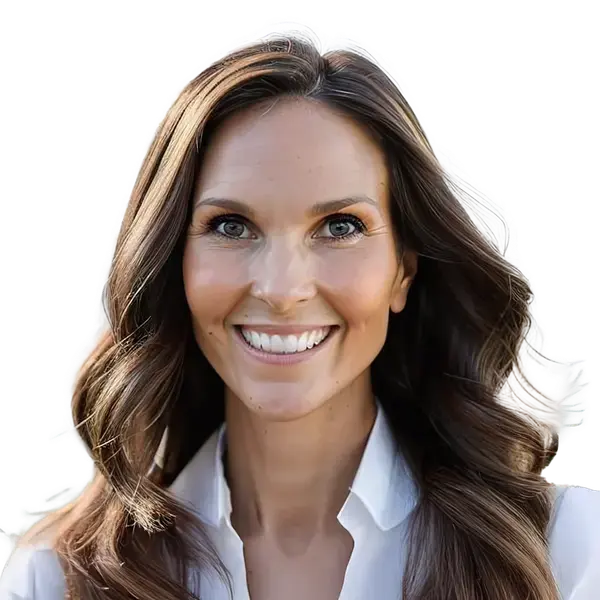
Former Head of Talent Engagement EMEA at Google & Founder of The Human Space | Authority on Psychological Safety at Scale | Executive Coach & TEDx Speaker
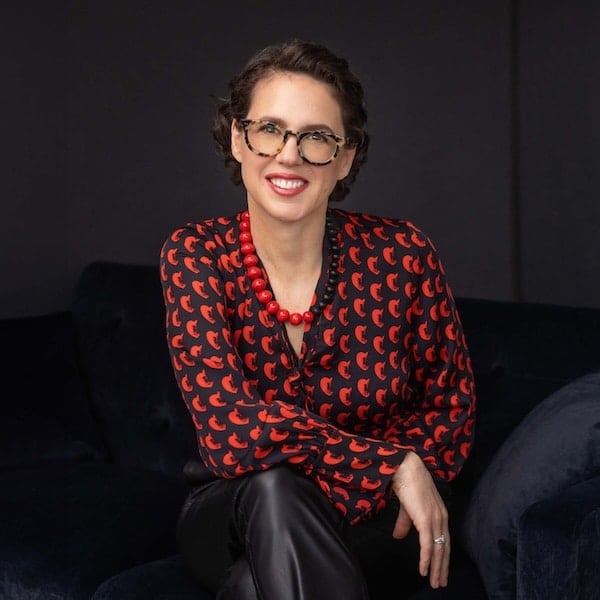
Workplace Conflict & Communication Expert | Contributing Editor, Harvard Business Review | Bestselling Author of 'Getting Along' | Former Co-Host, Women at Work
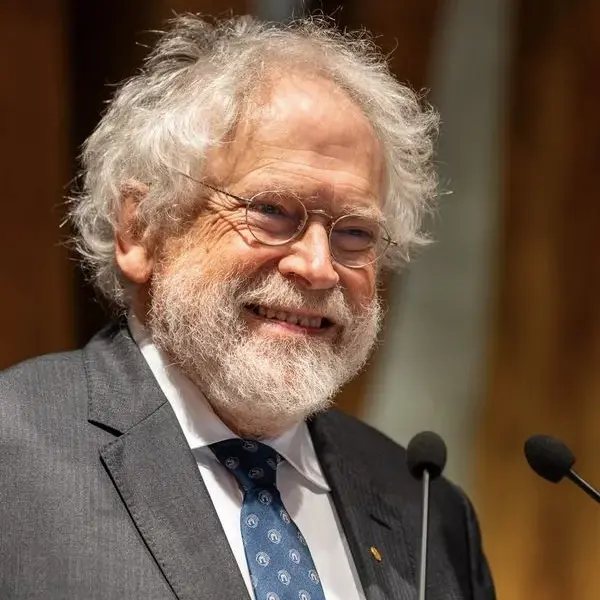
2022 Nobel Laureate in Physics | Inventor of Quantum Teleportation | Co-discoverer of GHZ Entanglement | Professor Emeritus, University of Vienna


© 2026 Aurum Speakers Bureau. All Rights Reserved

| Basic Data Protection Information | |
|---|---|
| Data controller | AURUM SPEAKERS BUREAU S.L. |
| Address | Parc Audiovisual de Catalunya 1, Oficina S11, 08225 Terrassa, Spain |
| Purposes | We will use your data to respond to your requests and deliver our services to you. |
| Marketing | We will only send you marketing correspondence if you have given your prior consent, which you can do by ticking the box for that purpose. |
| Lawful basis | We will only process your data if you have given your prior consent, which you can do by ticking the box for that purpose. |
| Recipients | Generally, only our members of staff who have been duly authorised may access the data that you have provided. |
| Your Rights | You have the right to know what information we hold about you, to rectify it and to erase it, as explained in the additional information available on our website. |
| Additional Information | For more information, please see our "PRIVACY POLICY". |