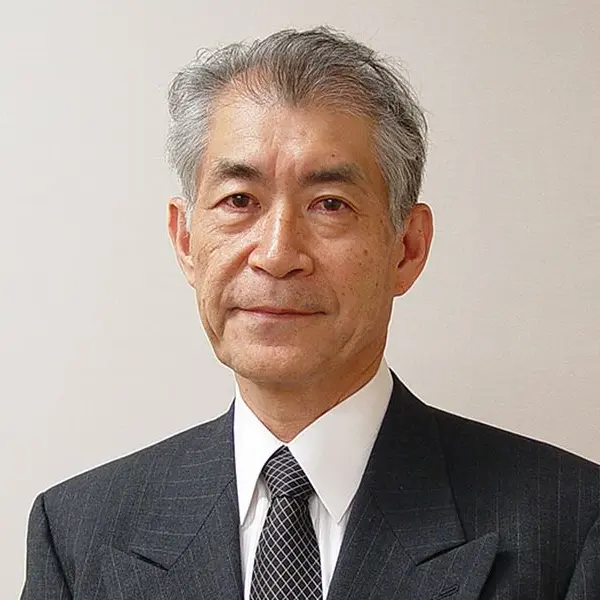
Tasuku Honjo
2018 Nobel Laureate in Physiology or Medicine | Discoverer of PD-1 | Pioneer of Cancer Immunotherapy | Deputy Director-General, Kyoto University Institute for Advanced Study

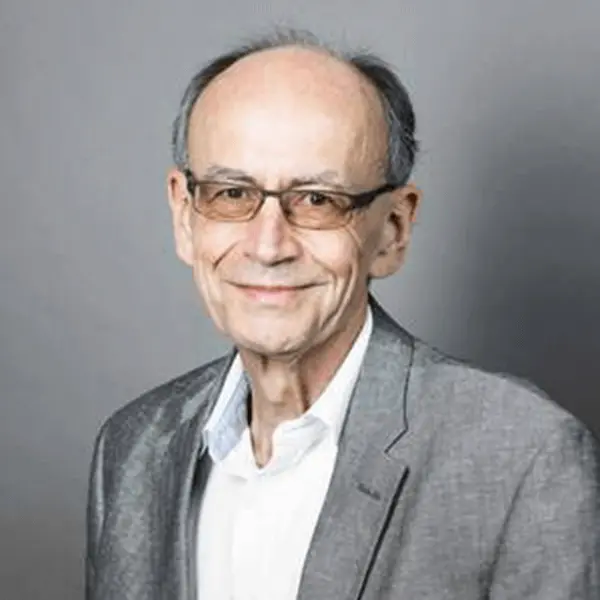
2013 Nobel Laureate in Physiology or Medicine | Avram Goldstein Professor, Stanford University | Pioneer of Synaptic Neuroscience
Few scientists have reshaped our understanding of the brain as profoundly as Nobel Laureate Thomas Südhof. His discovery of the molecular machinery behind neurotransmitter release won the 2013 Nobel Prize in Physiology or Medicine and laid the groundwork for new approaches to Alzheimer's, autism, and schizophrenia. At Stanford he keeps pushing the frontier of synapse biology, and in his keynotes he turns that science into insight that matters to medicine, biotech, and the future of human health.
Want to book Thomas Südhof as a speaker for your event? Please provide the info below and we’ll get in touch within 24h:
Thomas C. Südhof is one of the most consequential neuroscientists alive, a researcher whose discoveries have fundamentally changed how medicine understands the brain. Born in Göttingen, Germany, he earned both his M.D. and his doctoral degree from the University of Göttingen before moving to the United States to train under Michael Brown and Joseph Goldstein at UT Southwestern Medical Center in Dallas, two mentors who would themselves win the Nobel Prize in Physiology or Medicine. Today, Nobel Prize speaker Thomas Südhof ranks among the most cited scientists in the world.
Südhof spent more than two decades at UT Southwestern, where he founded and chaired the Department of Neuroscience and built one of the world’s leading synaptic biology programs. In 2008 he joined Stanford University, where he holds the Avram Goldstein Professorship in the School of Medicine and has served as an investigator of the Howard Hughes Medical Institute since 1986. His laboratory studies how synapses form, how their properties are specified, and how genetic mutations cause them to break down in conditions such as Alzheimer’s disease, autism, schizophrenia, and epilepsy.
In 2013, Südhof received the Nobel Prize in Physiology or Medicine, shared with James Rothman and Randy Schekman, for discoveries that revealed the molecular machinery controlling vesicle trafficking, the precise process by which neurons release neurotransmitters at exactly the right moment. His identification of synaptotagmins as the calcium sensors for neurotransmitter release took more than a decade to gain full acceptance and remains foundational to modern neuroscience. He has also received the Albert Lasker Basic Medical Research Award, the Kavli Prize in Neuroscience, and the Passano Award, and he is an elected member of the National Academy of Sciences, the American Academy of Arts and Sciences, and the Royal Society.
His Stanford laboratory continues to push the frontier of the field. Recent work has reconstituted synaptic junctions using teneurin-latrophilin complexes and mapped the adhesion receptors that guide how neurons wire together, advancing the search for therapies in neurological and psychiatric disease. Working with stem-cell-derived human neurons, his team models how single genetic mutations disrupt synaptic function, and Südhof has become an influential voice on research integrity and public trust in science.
As a speaker, Thomas Südhof brings the intellectual authority of a Nobel laureate together with the rare ability to translate molecular neuroscience into frameworks that matter to healthcare executives, policymakers, biotech investors, and research leaders. His talks explore how the brain’s synaptic architecture underpins disease, why advances in synapse biology are opening new therapeutic windows for Alzheimer’s and autism, and what the future of brain medicine looks like as neuroscience and technology converge. Audiences leave with an evidence-grounded perspective on the most consequential frontier in human health, delivered by the scientist who helped define it.
Every thought, memory, and emotion depends on the precise transmission of signals between neurons. In this keynote, Südhof traces the science behind synaptic communication, from the discovery of vesicle trafficking machinery to the calcium sensors that trigger neurotransmitter release, and explains why this molecular choreography is so central to both healthy brain function and the onset of neurological disease. Audiences leave with a new appreciation for what makes the brain work, and what happens when it fails.
Some of the most devastating and least understood diseases of our time, including Alzheimer's, schizophrenia, and autism spectrum disorder, share a common root in the breakdown of synaptic function. Südhof draws on decades of research and the latest findings from his Stanford laboratory to explain how genetic mutations disrupt synapse formation, and why this understanding is opening genuinely new therapeutic windows. A compelling talk for healthcare executives, biomedical investors, and research leaders shaping the future of brain medicine.
The molecular insights that won Thomas Südhof the Nobel Prize began as pure curiosity-driven research with no obvious commercial application, and eventually transformed neuroscience and created entirely new fields of therapeutic development. In this talk, Südhof reflects on the long arc from fundamental discovery to clinical and industrial impact, making the case for sustained investment in basic research and showing how academic science and the biotech industry can collaborate more effectively to meet unmet medical needs.
The brain is not born fully wired. It assembles itself through a process of synapse formation that is only now being understood at the molecular level. Südhof presents cutting-edge research on how neurons establish specific connections, how synaptic identity is encoded, and why errors in this process during development underlie many neuropsychiatric conditions. Delivered with the rigor of a world-leading laboratory scientist and the clarity of an experienced speaker, this talk challenges audiences to think differently about brain development and human potential.
2018 Nobel Laureate in Physiology or Medicine | Discoverer of PD-1 | Pioneer of Cancer Immunotherapy | Deputy Director-General, Kyoto University Institute for Advanced Study
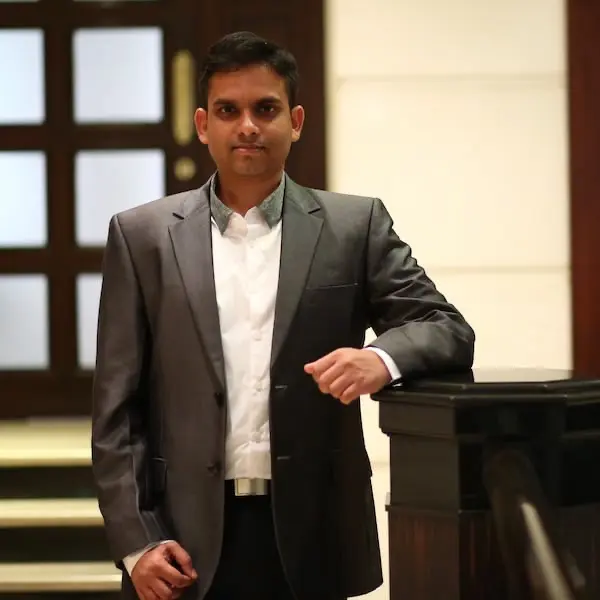
Founder & CEO, Platformation Labs | Thinkers50 Strategy Award Winner | Bestselling Author of Platform Revolution & Reshuffle | UC Berkeley Senior Fellow
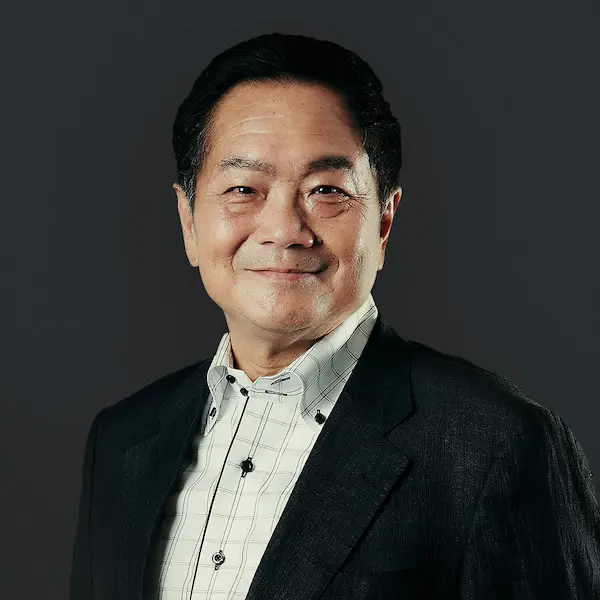
The Father of PlayStation | Former Chairman & CEO, Sony Computer Entertainment | Former COO, Sony Corporation | CEO, Ascent Robotics & Cyber AI Entertainment
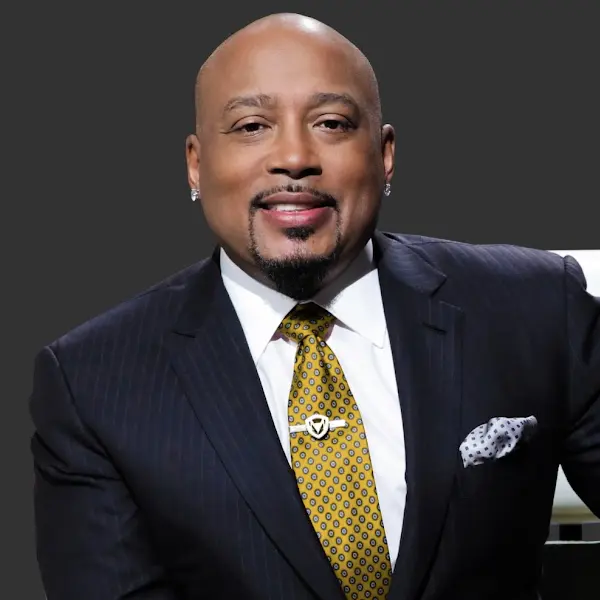
Founder & CEO of FUBU | 'The People's Shark' on ABC's Shark Tank | NYT Bestselling Author | Presidential Ambassador for Global Entrepreneurship


© 2026 Aurum Speakers Bureau. All Rights Reserved

| Basic Data Protection Information | |
|---|---|
| Data controller | AURUM SPEAKERS BUREAU S.L. |
| Address | Parc Audiovisual de Catalunya 1, Oficina S11, 08225 Terrassa, Spain |
| Purposes | We will use your data to respond to your requests and deliver our services to you. |
| Marketing | We will only send you marketing correspondence if you have given your prior consent, which you can do by ticking the box for that purpose. |
| Lawful basis | We will only process your data if you have given your prior consent, which you can do by ticking the box for that purpose. |
| Recipients | Generally, only our members of staff who have been duly authorised may access the data that you have provided. |
| Your Rights | You have the right to know what information we hold about you, to rectify it and to erase it, as explained in the additional information available on our website. |
| Additional Information | For more information, please see our "PRIVACY POLICY". |