
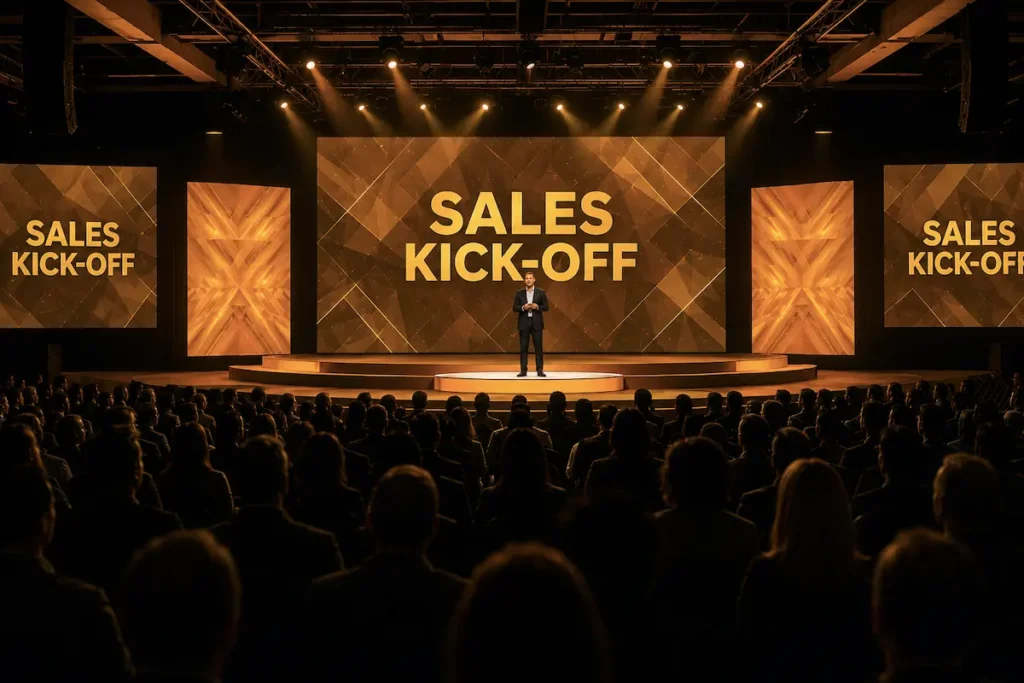
A sales kickoff is the one moment all year when the entire revenue team is in the same room, at the same time, ready to be pointed in a shared direction. Handled well, that sales keynote becomes the lever that turns rare, undivided attention into momentum the team can carry throughout the quarter. The right speaker does more than lift the room for a morning to then have those words evaporate three weeks down the line. Paired with genuine energy, a great brief and a method a team can actually use, the best keynote speakers for sales kickoff events can direct results that last.
An actual great sales kickoff speaker will change how people think, talk, and sell the moment they are back in front of a customer. That is the real measure of a sales kickoff keynote, and it is what separates a great morning from a better year.
Just in case, however, before we move forward with this article, notice that, unlike a broad company gathering, a sales kickoff is aimed squarely at the revenue team. For a company-wide event that includes every function, see our guide to the best speakers for a company all-hands or town hall.
Below are the speakers we recommend most often for sales kickoffs, and how to think about which one fits your team, drawn from our wider bench of sales speakers.
Why most SKO keynotes fade by February
A sales kickoff carries a burden that a normal conference keynote does not. The audience is skeptical by trade, they have sat through motivational talks before, and they quietly judge whether the speaker understands what their week actually feels like. A generic “believe in yourself” keynote bounces off a room of quota-carriers. Worse, energy without a concrete next step has a short half-life: people leave inspired, return to a full inbox, and revert to old habits within days. Behavior change, not adrenaline, is the real deliverable, and it has to be designed in, starting with the right speaker for the moment in which your team finds itself. The choice depends on that moment.
A demoralized team coming off a hard year may need the broad lift of a motivational speaker; a team absorbing a new strategy or structure needs a leadership voice who can align the room behind the why. And for a celebratory awards night rather than a high-energy sales event, see our guide to the best speakers for an awards night or gala. The six speakers below cover the sales situations we see most.
Jonah Berger
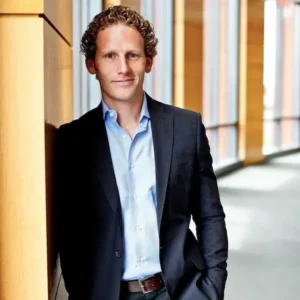
The Wharton professor behind Contagious and The Catalyst, Jonah Berger turns decades of research into a science-based playbook for moving buyers from no to yes.
If your team is doing the right activities without breaking through, the problem is often persuasion, and no one makes that more concrete than Jonah Berger.
A Wharton professor and bestselling author of Contagious, The Catalyst, and Magic Words, he turns decades of peer-reviewed research into practical tools for the thing reps do all day: moving someone from no to yes.
His most useful insight for a sales floor is that the best persuaders do not push harder, they remove the barriers that keep buyers stuck, and that small, specific shifts in language measurably change outcomes.
Backed by consulting work with Apple, Google, and Nike, his session gives reps a science-based playbook for influence. Our feature on Jonah Berger and why ideas spread goes deeper.

Ryan Serhant started with $9,000 in his first year and built a brokerage that has closed more than $10 billion, bringing sales teams both the energy and the system behind that growth.
Ryan Serhant
For pure sales firepower, few speakers match Ryan Serhant. He started in real estate in 2008 with nine thousand dollars in first-year earnings and built SERHANT. into a brokerage that has closed more than ten billion dollars in sales, all while becoming the most-followed broker in the world and the star of Netflix’s Owning Manhattan.
What makes him more than a motivational jolt is that he brings an actual system: the mindset, the personal-brand engine, and the daily discipline behind aggressive growth, drawn from his bestseller Sell It Like Serhant.
He is the rare speaker who can energize a sales force and send them home with a
repeatable method, which is exactly what a kickoff is supposed to do.
JP Pawliw-Fry

JP Pawliw-Fry studies why people flinch at the “Last 8%” of a conversation, the hardest ask or objection, and gives sales teams the tools to win those moments under pressure.
Selling is performing under pressure, and JP Pawliw-Fry has built his career on the science of it.
Co-founder of the Institute for Health and Human Potential and co-author of the New York Times bestseller Performing Under Pressure, he works with Fortune 100 teams, the US Marines, and Olympic athletes on doing their best when it matters most.
His signature idea, the “Last 8%,” names exactly where reps lose deals: the hardest part of a conversation, the real objection or the direct ask, that people avoid because it feels risky.
He gives sales teams practical tools to have those courageous conversations and stay composed under quota pressure, turning the moments they usually flinch from into the ones they win.

Molly Bloom built the world’s most exclusive high-stakes poker game from nothing, then rebuilt her life from the ground up, a masterclass in reading people, resilience, and reinvention.
Molly Bloom
Few speakers hold a skeptical sales room like Molly Bloom.
A former US Ski Team mogul skier, she built the world’s most exclusive high-stakes underground poker game from nothing, attracting hundreds of millions of dollars and a client list of Hollywood stars and billionaires, before it collapsed and she had to rebuild her life from the ground up.
The subject of the Aaron Sorkin film Molly’s Game, she turns that story into lessons a sales team can use immediately: how she read and won over the most demanding people alive, how she built trust and relationships at the highest stakes, and how she came back from total failure. It is resilience and persuasion taught through a story no one forgets.
Duncan Wardle
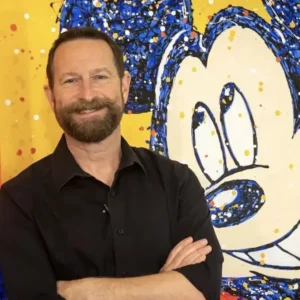
Disney’s former Head of Innovation and Creativity, Duncan Wardle hands teams practical tools to break out of stale thinking and find the unexpected angle that reopens a stalled deal.
When a team is competent but stuck in stale habits and tired pitches, Duncan Wardle is the jolt of fresh thinking.
As Disney’s former Head of Innovation and Creativity, he spent 25 years helping the world’s most creative company generate ideas, and now teaches those tools through his book The Imagination Emporium and masterclasses at Yale and Harvard.
His premise fits a sales audience perfectly: creativity is the one human edge AI cannot replicate, and it is a trainable skill, not a personality trait.
He gives reps practical techniques to break out of their “river of thinking,” rethink a stale approach, and find the unexpected angle that reopens a stalled deal.
Our feature on Duncan Wardle and innovation covers his toolkit.
Ruth Gotian
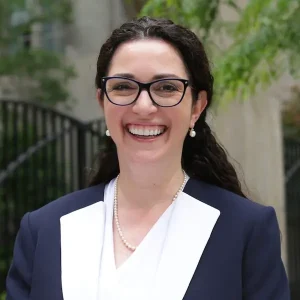
Dr. Ruth Gotian has spent years studying Nobel laureates, Olympic medalists, and astronauts to distill what elite performers share, and brings that science of peak performance to the stage.
If you want inspiration grounded in evidence, Ruth Gotian brings the science of elite performance.
One of the world’s top management thinkers and the award-winning author of The Success Factor, she has spent years studying what Nobel laureates, NBA champions, Olympic medalists, and astronauts actually have in common, and distills it into the mindset and skillset any high performer can build.
Her “Success Factor LIVE” format is especially strong for a kickoff: she shares the platform with a high achiever from her network, so the research comes alive through a real story on stage.
The result is a keynote that works equally well for sales teams, leadership retreats, and President’s Clubs, more than motivation, a practical model for sustained peak performance.
The brief is where behavior change is won
The difference between a keynote that fades and one that sticks is mostly decided before the speaker arrives. A strong brief gives them your real context: the number the team is chasing, the two or three behaviors you want more of, the objections reps keep hitting, and the language your culture actually uses. The best speakers weave that in so the talk feels built for your team rather than pulled off a shelf, and the ones who ask the most questions in the briefing call are almost always the ones who land in the room.
Design for the day after, not just the day
A kickoff keynote works when it is treated as the opening of a system, not a standalone highlight. Three choices make the energy durable. Place the keynote where it sets up the rest of the agenda rather than as a disconnected moment. Ask the speaker to close with a small number of specific, repeatable actions, not a vague call to greatness. And give managers a simple way to reinforce those actions in the following weeks, so the keynote becomes the start of a conversation rather than the peak of one. The talk supplies the spark; the follow-through turns it into behavior.
Getting the booking right
Most of what makes a sales kickoff keynote succeed is decided at selection and briefing, so it pays to be deliberate. If you can name the moment your team is in and the behaviors you want to shift, contact Aurum Speakers Bureau and we will shortlist speakers who fit that specific brief, then help you brief them to land.
The goal is not a great morning. It is a different quarter.
Frequently asked questions
Who are the best keynote speakers for a sales kickoff?
It depends on your team’s situation. For persuasion and behavior change, Jonah Berger; for pure sales firepower and a repeatable system, Ryan Serhant; for performing under pressure, JP Pawliw-Fry; for resilience and reading people, Molly Bloom; for fresh thinking on stale approaches, Duncan Wardle; and for the evidence-based science of elite performance, Ruth Gotian. Define the outcome you want first, then match the speaker to it.
How do you make a sales kickoff keynote stick?
Brief the speaker thoroughly on your goals and your team’s reality, ask them to close with a few specific and repeatable actions rather than general inspiration, and give managers a way to reinforce those actions in the following weeks. Behavior change comes from follow-through, and the keynote is the start of it.
How long should a sales kickoff keynote be?
Most run 45 to 60 minutes, often as the energizing open or a mid-event reset. Build in a few minutes of Q&A or interaction where the format allows, since participation helps the message land with a skeptical sales audience.
How far in advance should we book a sales kickoff speaker?
Kickoffs cluster in January and February, so the strongest speakers book out months ahead. Four to six months of lead time, or more for that peak window, gives you real choice rather than whoever is left.
To build a kickoff that changes behavior rather than just the mood for a morning, reach out to Aurum Speakers Bureau and we will help you get it right.