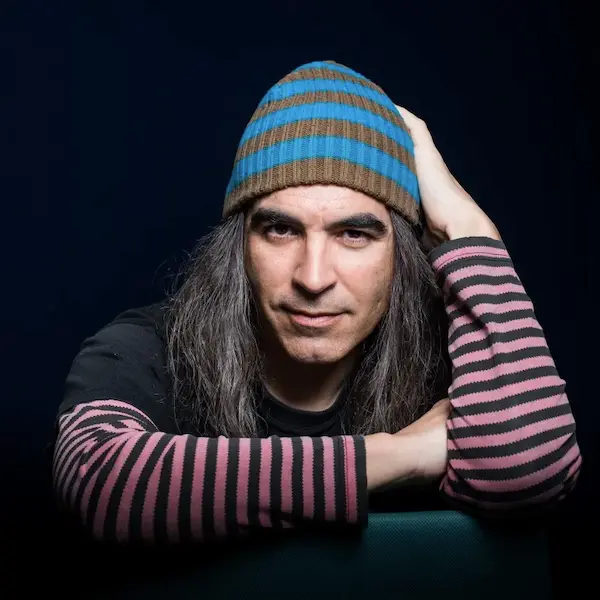
Chema Alonso
World-Renowned Hacker & Cybersecurity Expert | VP, Head of International Development at Cloudflare | Former CDO of Telefónica | Founder of ElevenPaths

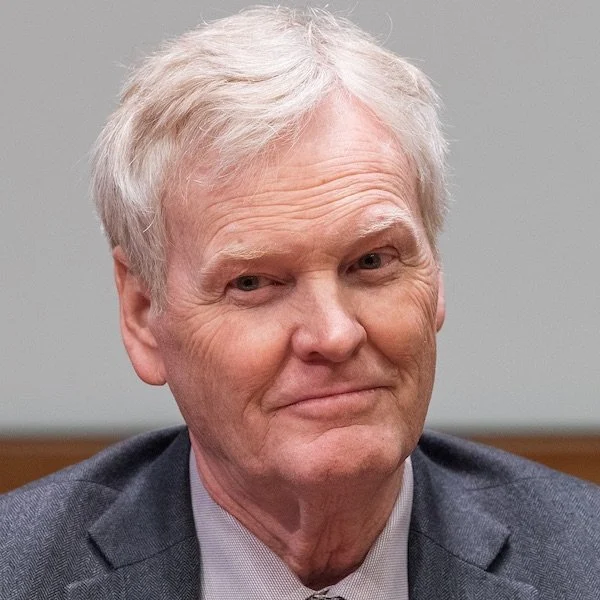
2017 Nobel Laureate in Physiology or Medicine | Richard & Jeanne Fisher Professor, Rockefeller University | Circadian Rhythms & Sleep Science
Michael W. Young cracked the genetic code of the biological clock — earning the 2017 Nobel Prize and transforming how science understands sleep, metabolism, and human health. As Richard and Jeanne Fisher Professor at Rockefeller University, his research connects directly to performance, well-being, and the future of precision medicine.
Want to book Michael W. Young as a speaker for your event? Please provide the info below and we’ll get in touch within 24h:
Michael W. Young is one of the world’s foremost authorities on the biological clock — the internal timekeeping system that governs sleep, metabolism, immunity, and nearly every aspect of human physiology. He is the Richard and Jeanne Fisher Professor and Head of the Laboratory of Genetics at The Rockefeller University in New York, where he has conducted research since 1978, and Vice President for Academic Affairs. Over more than four decades, his laboratory has produced a series of landmark discoveries that collectively explain how living organisms synchronize their biology to the 24-hour cycle of the Earth.
Nobel science speaker Michael W. Young is best known for identifying the molecular machinery of the circadian clock. Working with fruit flies, his laboratory isolated the period gene in 1984 — a critical step in revealing how biological rhythms are encoded in DNA. He then discovered the timeless gene, showing that its protein binds to the PERIOD protein to create a self-regulating feedback loop that keeps biological time with extraordinary precision. He subsequently identified the doubletime gene, which fine-tunes the frequency of these oscillations to exactly 24 hours. For these discoveries, Young was awarded the 2017 Nobel Prize in Physiology or Medicine, shared with Jeffrey C. Hall and Michael Rosbash, recognizing a body of work that fundamentally changed biology, medicine, and our understanding of what it means to be healthy.
The implications of this research are vast. Circadian clocks regulate not only sleep but also metabolism, immune response, hormone cycles, blood pressure, pain sensitivity, learning, and memory. Young’s laboratory has since carried these findings into human biology, identifying a common variant of the cryptochrome (CRY) gene tied to delayed sleep phase disorder — a mutation that slows the internal clock and may affect roughly one in 75 people of non-Finnish European descent. His group continues to study how inherited clock differences shape sleep and mood disorders, how circadian disruption contributes to metabolic disease, and how nutrition and aging interact with biological timing.
A member of the National Academy of Sciences and the American Philosophical Society, Young has been recognized with the Canada Gairdner International Award, the Gruber Prize in Neuroscience, the Shaw Prize in Life Science and Medicine, the Massry Prize, the Wiley Prize in Biomedical Sciences, and Columbia University’s Louisa Gross Horwitz Prize, among many others.
As a speaker, Michael W. Young brings the rigor of Nobel Prize-winning science to questions that affect every organization: how sleep deprivation degrades decision-making, why shift work and jet lag carry measurable health costs, and how leaders can use chronobiology to design teams, schedules, and wellness programs that work with — rather than against — human biology. Audiences leave with a scientifically grounded understanding of performance, recovery, and longevity, and concrete insight into how circadian science is reshaping medicine, nutrition, and workplace design.
Drawing on his Nobel Prize-winning discoveries, Young explains how the circadian clock works at the molecular level — and why it matters far beyond bedtime. This keynote reveals how the timing of sleep, meals, exercise, and light exposure shapes metabolism, immunity, cognitive sharpness, and long-term health. Designed for executive audiences, it provides a scientifically rigorous but accessible framework for understanding human performance through the lens of chronobiology, and what organizations can do to align their culture with the biology of the people in it.
Disrupted circadian rhythms are linked to metabolic disease, immune dysfunction, cognitive decline, and reduced lifespan. Young's laboratory has investigated the genetic basis of sleep disorders — including delayed sleep phase disorder — and the molecular changes that accumulate when biological timing breaks down. This session examines the science of circadian disruption, what it costs organizations in productivity and health, and where the most promising interventions lie, from genetic research to behavioral and environmental design.
The next frontier in medicine is timing. From the optimal moment to take a medication to the best window for surgery, exercise, or vaccination, chronobiology is reshaping clinical practice and drug development. Young explores how circadian science is moving from the laboratory into personalized healthcare, and what this shift means for the pharmaceutical industry, hospital systems, insurance, and anyone invested in improving health outcomes at scale.
World-Renowned Hacker & Cybersecurity Expert | VP, Head of International Development at Cloudflare | Former CDO of Telefónica | Founder of ElevenPaths
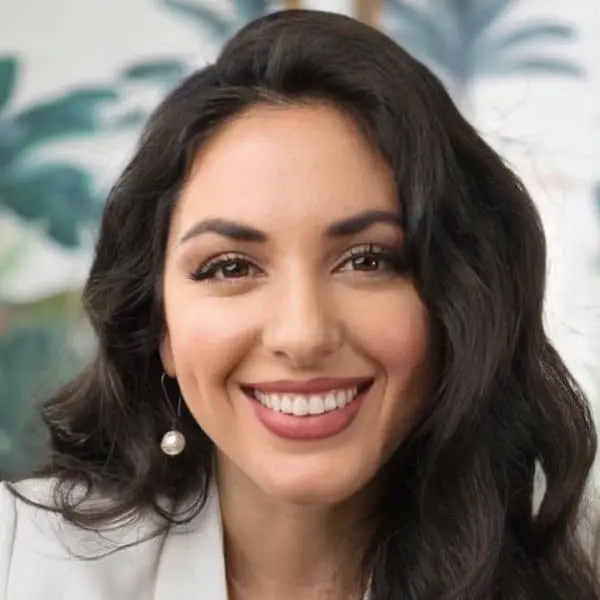
Behavioral Researcher & PhD | Author, Big Trust | 7M+ LinkedIn Learning Students | Peak Performance Educator to Fortune 500s
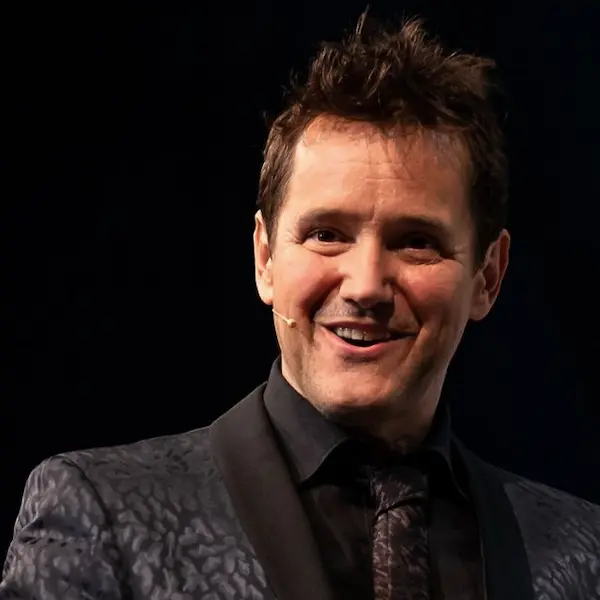
Futurist & Innovation Expert | Former CCO at BBDO & ECD at Ogilvy | Founder, BRAINKICKS GmbH | Change & Digital Transformation
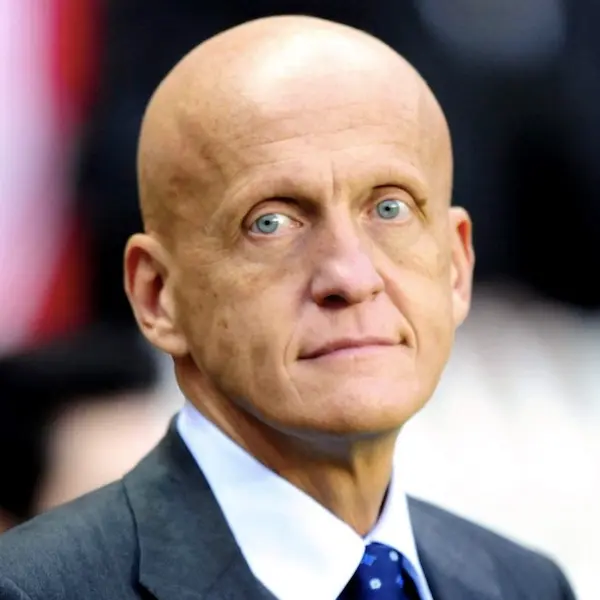
Greatest Football Referee of All Time | Chairman, FIFA Referees Committee | Six-Time World's Best Referee | Expert on Leadership & Decision-Making Under Pressure


© 2026 Aurum Speakers Bureau. All Rights Reserved

| Basic Data Protection Information | |
|---|---|
| Data controller | AURUM SPEAKERS BUREAU S.L. |
| Address | Parc Audiovisual de Catalunya 1, Oficina S11, 08225 Terrassa, Spain |
| Purposes | We will use your data to respond to your requests and deliver our services to you. |
| Marketing | We will only send you marketing correspondence if you have given your prior consent, which you can do by ticking the box for that purpose. |
| Lawful basis | We will only process your data if you have given your prior consent, which you can do by ticking the box for that purpose. |
| Recipients | Generally, only our members of staff who have been duly authorised may access the data that you have provided. |
| Your Rights | You have the right to know what information we hold about you, to rectify it and to erase it, as explained in the additional information available on our website. |
| Additional Information | For more information, please see our "PRIVACY POLICY". |