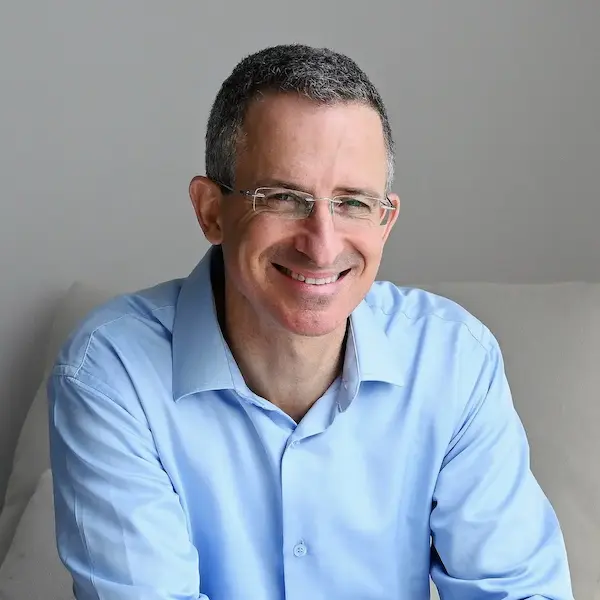
Tal Ben-Shahar
Founder, Happiness Studies Academy | Creator, World's First MA in Happiness Studies | Former Harvard Lecturer | New York Times Bestselling Author | Positive Psychology Expert


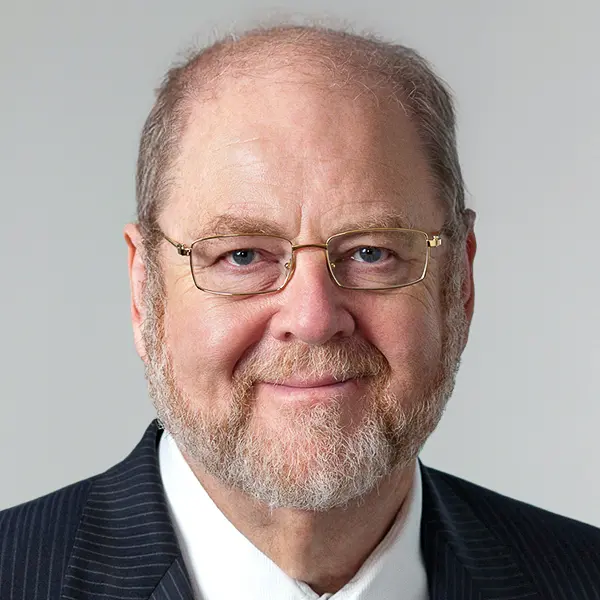
2013 Nobel Laureate in Physiology or Medicine | Sterling Professor of Cell Biology, Yale | Discoverer of the SNARE Vesicle Trafficking Machinery
James Rothman cracked one of cell biology's greatest mysteries: how cells deliver molecules to precisely the right destination. His discovery of the SNARE protein complex — the universal machinery of vesicle trafficking — earned him the 2013 Nobel Prize and underpins our understanding of neurotransmission, insulin release, and a vast range of diseases. As a speaker, he makes the invisible architecture of life riveting for any senior audience.
Want to book James Rothman as a speaker for your event? Please provide the info below and we’ll get in touch within 24h:
James E. Rothman is one of the world’s most distinguished biochemists, whose decades-long investigation into one of life’s most fundamental processes — how cells package and deliver molecules with near-perfect precision — earned him the 2013 Nobel Prize in Physiology or Medicine. Sterling Professor of Cell Biology at Yale University and founder of the Yale Nanobiology Institute, Rothman uncovered the molecular machinery that governs vesicle trafficking: the cellular delivery system underlying everything from insulin secretion to brain neurotransmission.
Nobel Prize speaker James Rothman grew up during the dawn of the space age, an era that sparked a lifelong passion for scientific inquiry. He studied physics at Yale College, graduating summa cum laude in 1971, then earned his Ph.D. in biological chemistry from Harvard University in 1976 under Eugene Kennedy, with additional training at Harvard Medical School. Postdoctoral work with Harvey Lodish at MIT preceded a professorship at Stanford, followed by positions at Princeton and Memorial Sloan-Kettering Cancer Center — where he founded a new department of cellular biochemistry — before joining Columbia University and ultimately returning to Yale in 2008 to lead the department that George Palade, the father of cell biology, had created.
His Nobel-winning work, carried out primarily in the 1980s and 1990s, decoded how vesicles — tiny membrane-bound sacs — fuse precisely with their target membranes inside cells. Rothman identified NSF, the SNAP proteins, and the SNARE protein complex as the core machinery of this process, establishing a universal mechanism conserved across all eukaryotic life. The implications are vast: errors in vesicle trafficking underlie conditions ranging from diabetes and neurological disorders to certain cancers. His subsequent work on ultrafast neurotransmitter release at synapses has opened new frontiers in understanding movement, perception, memory, and mood at the molecular level.
Rothman’s honors span five decades of recognition: the Lasker Basic Medical Research Award (2002), the Kavli Prize in Neuroscience (2010), the Louisa Gross Horwitz Prize, the Gairdner Foundation International Award, election to the U.S. National Academy of Sciences, and election as Foreign Member of the Royal Society of London. He holds the rank of Officier de la Légion d’honneur of France and continues active research at Yale, where his lab is pioneering new super-resolution microscopy techniques and exploring the role of biomolecular condensates in immunological synapses.
As a speaker, James Rothman translates the intricate world of cell biology into compelling narratives about discovery, scientific courage, and the profound connections between fundamental research and human health. His talks illuminate how curiosity-driven science — asking questions that seem impossibly basic — ultimately yields the breakthroughs that transform medicine. Audiences in healthcare, pharma, biotech, academia, and innovation-focused organizations leave with a new appreciation for the cellular machinery that sustains life, and a powerful framework for why investing in fundamental science pays dividends that no applied research program can replicate.
Every second, trillions of cellular deliveries take place inside the human body — insulin sent to the bloodstream, neurotransmitters fired across synapses, hormones dispatched with surgical precision. In this keynote, James Rothman reveals the Nobel Prize-winning science behind how cells orchestrate this delivery system and what happens when it breaks down. Drawing on decades of laboratory discovery, he connects the molecular machinery of vesicle trafficking to conditions including diabetes, neurological disorders, and cancer, showing how understanding the cell's internal logistics transformed modern medicine.
Neurotransmitters are released in under a millisecond — faster than any other biological process of comparable complexity. In this research-forward keynote, Rothman shares his lab's most recent findings on the ultrafast mechanisms of synaptic transmission, including surprising insights into the SNARE machinery that underpins how the brain communicates. For audiences in neuroscience, pharmaceutical research, and biotech, this talk offers a window into the next generation of therapies for neurological and psychiatric conditions.
The proteins James Rothman discovered were not sought for any medical purpose — they were pursued out of pure scientific curiosity. Yet they now underlie drug development, our understanding of neurological disease, and the action of some of the world's most widely used therapeutics. In this keynote, Rothman makes the case for investing in fundamental, question-driven research as the engine of long-term innovation. A compelling session for research leaders, science policymakers, and organizations thinking about the pipeline from discovery to impact.
As director of the Yale Nanobiology Institute, James Rothman is pioneering new microscopy techniques — including FLASH-PAINT super-resolution imaging — that allow scientists to visualize the subcellular world with unprecedented detail. This keynote explores how new imaging technologies are reshaping cell biology, enabling researchers to observe the living machinery of the cell in real time and at nanoscale resolution. An inspiring talk on the intersection of physics, engineering, and biology for audiences at the frontier of scientific instrumentation and biomedical research.
Founder, Happiness Studies Academy | Creator, World's First MA in Happiness Studies | Former Harvard Lecturer | New York Times Bestselling Author | Positive Psychology Expert
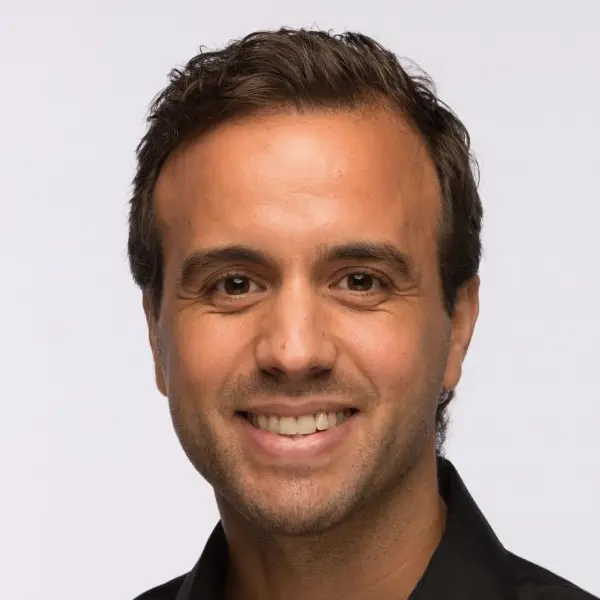
SVP, Global E-commerce & Returns, DHL | Supply Chain & AI Innovation Expert | NASA Cross-Industry Advisor | Startup Investor
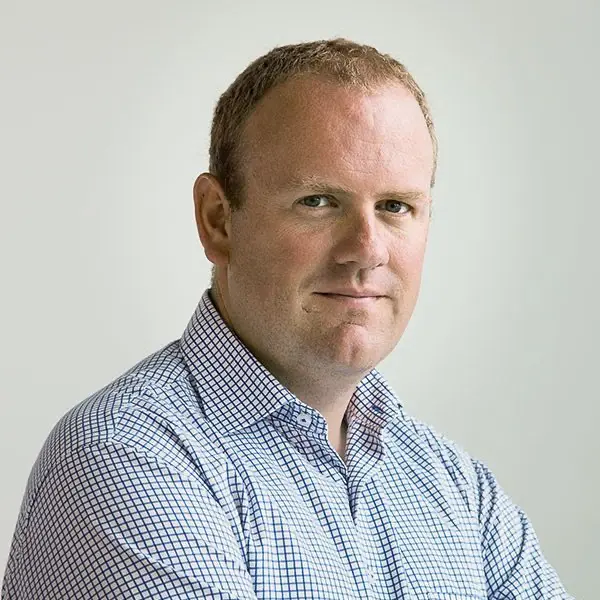
Bestselling Author | Customer Experience & AI Expert | Professor, Vlerick Business School | Co-Founder, Nexxworks
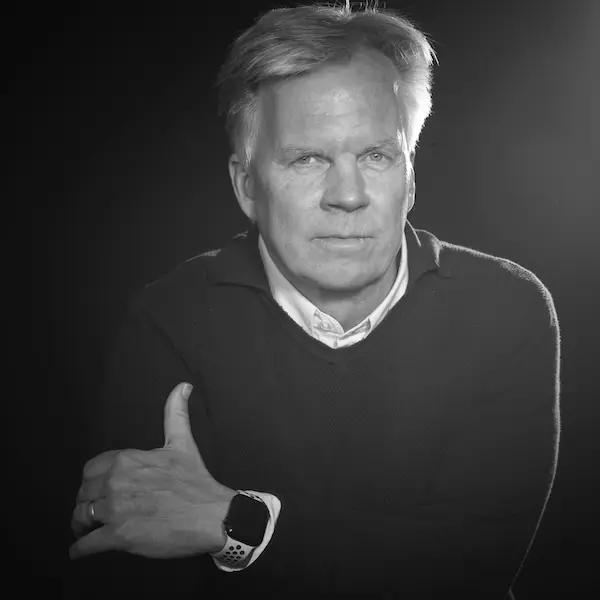
Creator of the Apple Stores | Author, Shop Different | Former SVP, Apple Retail | Harvard MBA | Innovation, Culture & Customer Experience


© 2026 Aurum Speakers Bureau. All Rights Reserved

| Basic Data Protection Information | |
|---|---|
| Data controller | AURUM SPEAKERS BUREAU S.L. |
| Address | Parc Audiovisual de Catalunya 1, Oficina S11, 08225 Terrassa, Spain |
| Purposes | We will use your data to respond to your requests and deliver our services to you. |
| Marketing | We will only send you marketing correspondence if you have given your prior consent, which you can do by ticking the box for that purpose. |
| Lawful basis | We will only process your data if you have given your prior consent, which you can do by ticking the box for that purpose. |
| Recipients | Generally, only our members of staff who have been duly authorised may access the data that you have provided. |
| Your Rights | You have the right to know what information we hold about you, to rectify it and to erase it, as explained in the additional information available on our website. |
| Additional Information | For more information, please see our "PRIVACY POLICY". |