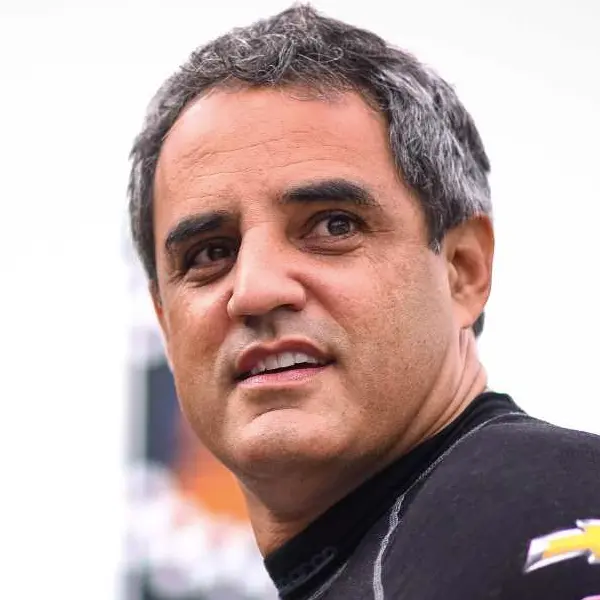
Juan Pablo Montoya
2x Indianapolis 500 Winner & F1 Driver | CART Champion | NASCAR Competitor | High-Performance Leadership & Resilience

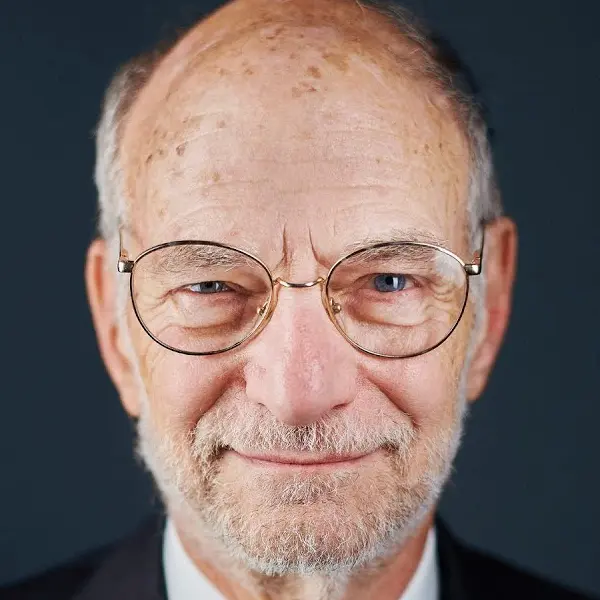
2017 Nobel Laureate in Physiology or Medicine | Peter Gruber Chair in Neuroscience, Brandeis | HHMI Investigator
Michael Rosbash decoded the molecular clock hidden inside every living cell, research that earned him the 2017 Nobel Prize in Physiology or Medicine. As Peter Gruber Chair in Neuroscience at Brandeis and Howard Hughes Medical Institute Investigator, he continues shaping the frontier of sleep and circadian science. His keynotes give audiences the science behind human performance, health, and biological timing.
Want to book Michael Rosbash as a speaker for your event? Please provide the info below and we’ll get in touch within 24h:
Michael Rosbash is one of the world’s foremost authorities on the science of biological time. Born in Kansas City, Missouri, and raised in Boston, he earned a B.S. in Chemistry from the California Institute of Technology in 1965, spent a year in Paris as a Fulbright Scholar, and completed his doctorate in biophysics at MIT in 1970. After postdoctoral work at the University of Edinburgh, he joined Brandeis University in 1974, the same year as his future Nobel collaborator Jeffrey Hall, and has remained there ever since. Today he holds the Peter Gruber Endowed Chair in Neuroscience, serves as Professor of Biology, and is a long-standing Investigator at the Howard Hughes Medical Institute, one of the most prestigious research appointments in American science.
Nobel Prize speaker Michael Rosbash is best known for co-discovering the molecular machinery that drives the circadian clock, the internal biological timekeeper present in virtually every living cell on Earth. Working in close collaboration with colleague Jeffrey Hall at Brandeis, Rosbash helped isolate the period gene in fruit flies in 1984. His postdoctoral fellow Paul Hardin then made a pivotal breakthrough in 1990: discovering that the period gene’s protein product cycles in abundance over 24 hours, feeding back to suppress its own production. This transcription-translation feedback loop model became the conceptual foundation for the entire field of molecular chronobiology. Rosbash’s lab went on to identify the dClock and cycle genes, completing the core architecture of the circadian oscillator and establishing principles that apply from insects to humans.
In 2017, Rosbash received the Nobel Prize in Physiology or Medicine jointly with Jeffrey Hall and Michael Young, honored for discoveries that revealed how living organisms synchronize their internal biology to the rhythm of the planet. Their work transformed chronobiology from a niche field into one of the most dynamic areas in biomedical science, with direct relevance to sleep disorders, metabolic disease, cardiovascular health, cancer risk, and the timing of medical treatments. Rosbash has received numerous honors alongside these discoveries, including the Canada Gairdner International Award, the Shaw Prize in Life Science and Medicine, the Louisa Gross Horwitz Prize, and the Peter C. Farrell Prize in Sleep Medicine from Harvard Medical School. He is a member of the National Academy of Sciences and a Fellow of the American Academy of Arts and Sciences.
As a speaker, Michael Rosbash translates decades of Nobel-winning science into vivid, accessible insights for audiences in healthcare, corporate wellness, life sciences, and beyond. Still running an active research laboratory at Brandeis, he speaks not as a retired laureate but as a working scientist at the leading edge of his field. His talks illuminate why circadian biology is not an academic curiosity but a fundamental driver of human health and performance, and what organizations can do with that knowledge. Known for intellectual rigor paired with candor and wit, Rosbash gives audiences a new lens through which to understand sleep, productivity, aging, and the future of precision medicine.
Every living cell on Earth carries a molecular timekeeper, and Michael Rosbash helped crack its code. In this keynote, he walks audiences through the Nobel Prize-winning discovery of the circadian feedback loop: how a single gene and its protein product regulate our 24-hour biology with extraordinary precision, and why that mechanism is conserved from fruit flies to human beings. Accessible, authoritative, and scientifically grounded, this talk gives any audience a genuine understanding of how biological time shapes health, behavior, and the way we function across the day.
Sleep deprivation and circadian misalignment are among the most widespread and underestimated threats to human health and organizational productivity. Drawing on his decades of foundational research, Rosbash examines what molecular biology reveals about why we sleep, what happens when we don't, and how disruption of the biological clock, whether through shift work, jet lag, screen exposure, or irregular schedules, compounds risk across every major chronic disease category. This talk gives leaders a scientifically rigorous case for taking sleep and biological timing seriously as strategic priorities.
The Nobel Prize-winning discovery of the circadian clock was not the product of a single breakthrough. It was the result of decades of patient, curiosity-driven research, iterative collaboration, and the willingness to follow the science wherever it led. In this reflective keynote, Rosbash shares the story behind the discovery: the mentors, the unexpected findings, the years without answers, and what sustained him through the long game. A compelling talk for any organization seeking to build cultures of deep innovation and enduring intellectual rigor.
When you take a medication matters as much as what you take. The circadian clock governs when the body is most receptive to treatment, most vulnerable to disease, and most capable of repair, insights that are now reshaping oncology, cardiology, surgery, and pharmacology. Rosbash explores how the molecular principles behind his Nobel Prize are being translated into clinical practice, and what the emerging field of chronomedicine means for the future of personalized healthcare. Ideal for audiences in healthcare systems, pharmaceutical and biotech companies, and medical research institutions.
2x Indianapolis 500 Winner & F1 Driver | CART Champion | NASCAR Competitor | High-Performance Leadership & Resilience
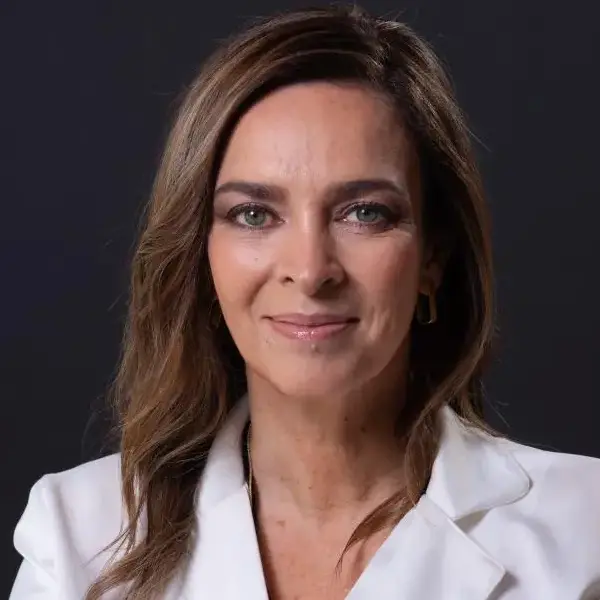
CEO & Founder, The People Future | Former Chief People Officer, Microsoft & Walmart Chile | TEDx Speaker | LinkedIn Top Voice & Instructor | Author, Con100te de mi Futuro

Bestselling Author of Getting Things Done & Team | Founder of David Allen Company | World's Leading Authority on Personal & Organizational Productivity
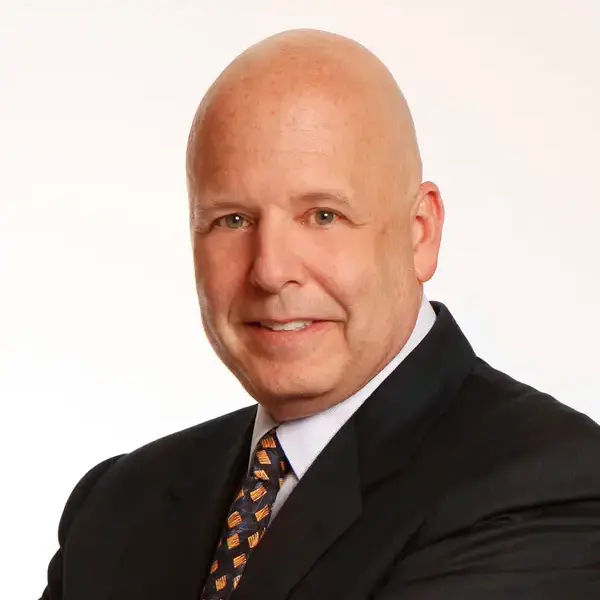
Customer Service & CX Expert | NYT & WSJ Bestselling Author | NSA Hall of Fame Speaker | CAO of Shepard Presentations


© 2026 Aurum Speakers Bureau. All Rights Reserved

| Basic Data Protection Information | |
|---|---|
| Data controller | AURUM SPEAKERS BUREAU S.L. |
| Address | Parc Audiovisual de Catalunya 1, Oficina S11, 08225 Terrassa, Spain |
| Purposes | We will use your data to respond to your requests and deliver our services to you. |
| Marketing | We will only send you marketing correspondence if you have given your prior consent, which you can do by ticking the box for that purpose. |
| Lawful basis | We will only process your data if you have given your prior consent, which you can do by ticking the box for that purpose. |
| Recipients | Generally, only our members of staff who have been duly authorised may access the data that you have provided. |
| Your Rights | You have the right to know what information we hold about you, to rectify it and to erase it, as explained in the additional information available on our website. |
| Additional Information | For more information, please see our "PRIVACY POLICY". |