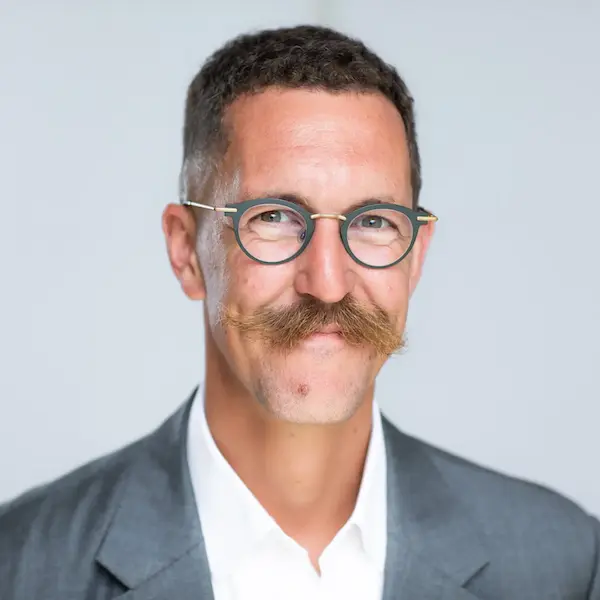
Ben Hammersley
Futurist & Strategic Foresight Expert | Inventor of the Word "Podcast" | Founder, Hammersley Futures & Agathonic.AI | WIRED Editor-at-Large | BBC Presenter

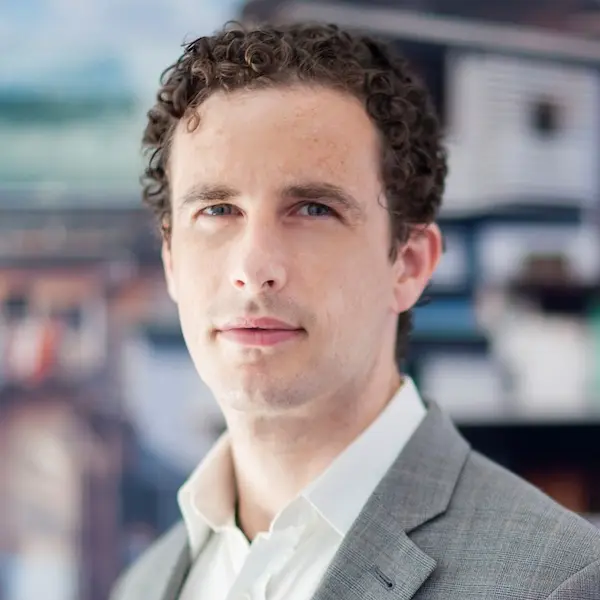
Founder of Microsoft Research's Plural Technology Collaboratory | Co-Author of Plurality & Radical Markets | Chair, Plurality Institute | Co-Founder, RadicalxChange
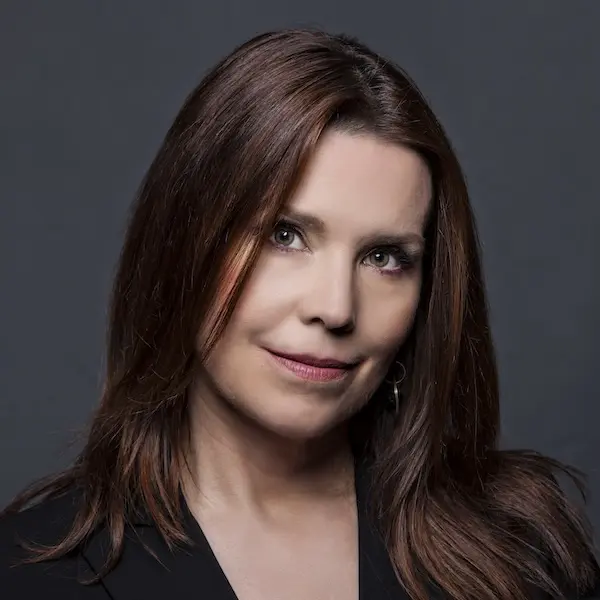
Speaker Glen Weyl is one of the world's foremost thinkers at the intersection of technology, democracy, and economics. Founder of Microsoft Research's Plural Technology Collaboratory and co-author of Plurality, he works with figures like Audrey Tang and Vitalik Buterin to show how AI can strengthen rather than erode open societies. Senior audiences gain a rigorous, optimistic framework for building technology that deepens cooperation and trust.
Want to book E. Glen Weyl as a speaker for your event? Please provide the info below and we’ll get in touch within 24h:
AI speaker Glen Weyl is one of the world’s foremost thinkers at the intersection of technology, democracy, and social progress. As artificial intelligence, Web3, and the metaverse reshape how people live and work, Glen explores how these tools can strengthen core values like pluralism, cooperation, and democracy rather than threaten them.
A leading voice in digital innovation, Glen collaborates closely with Vitalik Buterin, founder of Ethereum, Jaron Lanier, a pioneer of virtual reality, and Audrey Tang, Taiwan’s first Digital Minister. Together they make the complex future of technology accessible and actionable for governments, businesses, and communities worldwide. Formerly part of the leadership team at Microsoft’s Office of the CTO, where he helped guide the company’s relationship with OpenAI, Glen now leads the Plural Technology Collaboratory, a global research network studying how diverse, democratic societies can thrive in the age of generative AI.
As co-author of the acclaimed book Radical Markets, Glen introduced groundbreaking ideas such as Quadratic Voting, now recognized worldwide as a model for democratic innovation. His thinking has shaped both the decentralized Web3 ecosystem of Ethereum and Taiwan’s forward-looking approach to digital democracy. His latest book, Plurality: The Future of Collaborative Technology and Democracy, co-authored with Audrey Tang, lays out a blueprint for technology that brings people together across difference.
Glen also co-founded RadicalxChange, a global movement uniting leaders from civil society, academia, and industry to address social and economic inequality through technology. His scholarly and popular writing has appeared in The New York Times, Harvard Law Review, and American Economic Review, and he has been named one of WIRED’s 25 people shaping the next 25 years of technology and among Bloomberg Businessweek’s most influential people.
As a speaker, Glen Weyl challenges audiences to imagine a future in which technology serves human cooperation rather than concentrating power, leaving them with both intellectual depth and practical optimism about what comes next.
Artificial intelligence presents two urgent and seemingly opposite challenges: one of widespread deception eroding trust, and another of power concentrating in the hands of a few model creators or algorithms. Together, they threaten the space in which free and democratic societies can flourish. To work through this narrow corridor, Glen Weyl introduces the concept of Plurality—a framework pioneered with Taiwan's Digital Minister, Audrey Tang, that uses technology to strengthen cooperation and diversity. Drawing from their book, Glen reveals how embracing Plurality can enhance public health, drive innovation, and enrich media ecosystems while ensuring AI amplifies, rather than undermines, human collaboration.
As generative foundation models evolve beyond ChatGPT and DALL·E, the boundary between authentic and artificial human content—voice, video, or text—will vanish. This transformation poses a profound threat to social trust and cooperation. Glen Weyl explores how we can adapt by reimagining verification systems and expanding cryptographic tools to preserve authenticity in a post-truth digital world. Drawing insights from Web3 ecosystems like Ethereum and Taiwan's digital democracy, Glen offers practical lessons to help organizations and individuals not only endure but thrive amid this new landscape of boundless simulation.
As the co-creator of Quadratic Funding (QF), Glen Weyl introduces one of the most innovative models for financing public goods and fostering collaboration across sectors. QF has become a transformative tool for supporting open-source projects, social innovation, and cross-team entrepreneurship within major organizations. In this keynote, Glen explains how QF works, why it's mathematically proven as the most efficient way to fund collective initiatives, and how it's revolutionizing philanthropy, blockchain ecosystems, and civic engagement. Whether you aim to unlock creativity within your company or make giving more impactful, Glen offers unmatched insight into how this groundbreaking model drives inclusive innovation.
A former University of Chicago economist and a political economist and social technologist who served in Microsoft's Office of the CTO, Glen Weyl has shaped modern antitrust thinking and continues to influence the global conversation on technology competition. In this keynote, he explores bold new approaches to tackling the dominance of digital platforms—from treating data as labor and creating data cooperatives, to using open protocols that empower users with portability and choice. As every business becomes a digital business, Glen offers a forward-looking perspective on how fair competition, innovation, and democratic principles can coexist in the digital age.
Futurist & Strategic Foresight Expert | Inventor of the Word "Podcast" | Founder, Hammersley Futures & Agathonic.AI | WIRED Editor-at-Large | BBC Presenter
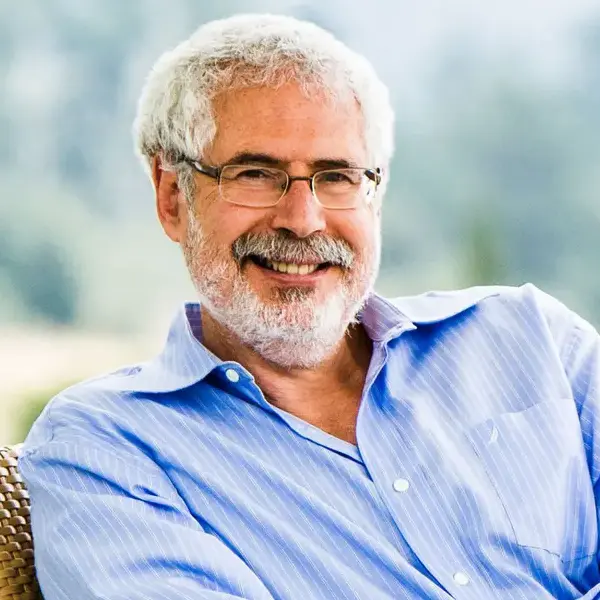
Father of the Lean Startup Movement | Adjunct Professor, Stanford | Senior Fellow, Gordian Knot Center for National Security Innovation | Thinkers50
Bestselling Author of Thinking in Bets & Quit | Decision Strategist | Special Partner at First Round Capital | Former World Series of Poker Champion

Pro Football Hall of Fame QB | Super Bowl XXIX MVP | 2x NFL MVP | Co-Founder & Chairman, HGGC | Leadership & High Performance


© 2026 Aurum Speakers Bureau. All Rights Reserved

| Basic Data Protection Information | |
|---|---|
| Data controller | AURUM SPEAKERS BUREAU S.L. |
| Address | Parc Audiovisual de Catalunya 1, Oficina S11, 08225 Terrassa, Spain |
| Purposes | We will use your data to respond to your requests and deliver our services to you. |
| Marketing | We will only send you marketing correspondence if you have given your prior consent, which you can do by ticking the box for that purpose. |
| Lawful basis | We will only process your data if you have given your prior consent, which you can do by ticking the box for that purpose. |
| Recipients | Generally, only our members of staff who have been duly authorised may access the data that you have provided. |
| Your Rights | You have the right to know what information we hold about you, to rectify it and to erase it, as explained in the additional information available on our website. |
| Additional Information | For more information, please see our "PRIVACY POLICY". |