
Tal Ben-Shahar
Founder, Happiness Studies Academy | Creator, World's First MA in Happiness Studies | Former Harvard Lecturer | New York Times Bestselling Author | Positive Psychology Expert


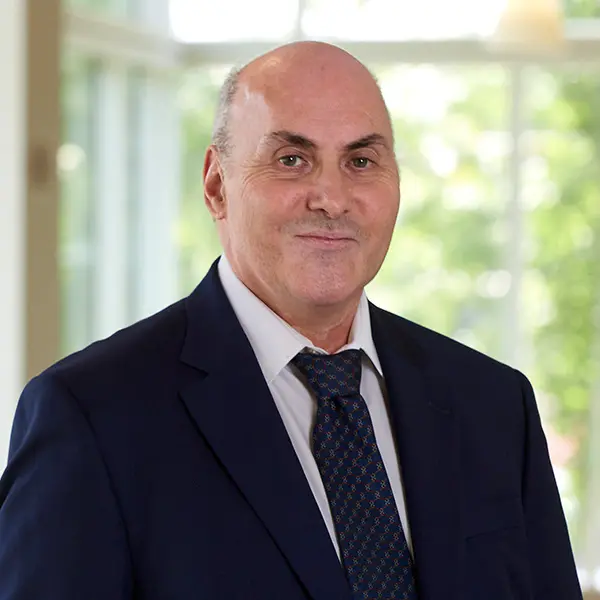
2023 Nobel Laureate in Physiology or Medicine | Co-Inventor of mRNA Vaccine Technology | Director, Penn Institute for RNA Innovation
Drew Weissman is the 2023 Nobel Laureate whose discovery of nucleoside-modified mRNA made the world's first mRNA vaccines possible. As Director of the Penn Institute for RNA Innovation at UPenn, he is now pushing mRNA into cancer, HIV, and gene therapy. Audiences gain rare insight into how patient, perseverant science produces civilizational breakthroughs — and what the RNA revolution means for medicine next.
Want to book Drew Weissman as a speaker for your event? Please provide the info below and we’ll get in touch within 24h:
Drew Weissman is the 2023 Nobel Laureate in Physiology or Medicine whose foundational research on modified mRNA technology made the world’s first mRNA vaccines possible — transforming not just how humanity fought COVID-19, but how medicine will develop vaccines and therapeutics for generations to come. He is the Roberts Family Professor in Vaccine Research and Director of the Penn Institute for RNA Innovation at the Perelman School of Medicine, University of Pennsylvania, where he has led pioneering work at the intersection of immunology and RNA biology since 1997.
Amongst Nobel laureate speakers, Drew Weissman is best known for a discovery — made alongside biochemist Katalin Karikó — that solved one of the central roadblocks to RNA-based medicine: the fact that synthetic mRNA triggered dangerous inflammatory responses in the body. By identifying that chemically modifying the nucleoside bases of mRNA could suppress these immune reactions while dramatically increasing protein production, Weissman and Karikó unlocked a platform that Pfizer/BioNTech and Moderna used as the critical backbone of their COVID-19 vaccines. Their landmark 2005 paper in Immunity was initially overlooked — and at the time, rejected by both Nature and Science — yet it eventually became one of the most consequential publications in modern biomedical history. Over 13 billion doses of mRNA-based COVID-19 vaccines have since been administered globally.
Weissman earned dual bachelor’s and master’s degrees in biochemistry and enzymology from Brandeis University, followed by an M.D. and Ph.D. in immunology and microbiology from Boston University. He completed his fellowship at the National Institutes of Health under Dr. Anthony Fauci, then director of the National Institute of Allergy and Infectious Diseases. He is the co-inventor on multiple foundational patents covering mRNA modification technology and has published over 300 scientific papers.
The implications of Weissman’s work extend well beyond the pandemic. His laboratory is actively developing pan-coronavirus and universal influenza vaccines, mRNA-based cancer therapeutics, treatments for autoimmune diseases, and in vivo gene therapy platforms that can target specific cells, tissues, and organs. The Penn Institute for RNA Innovation is also part of the NSF’s AI-driven RNA Foundry — an $18 million initiative that uses artificial intelligence to design superior RNA particles and accelerate the development of next-generation therapeutics. His recognition spans the field’s most prestigious awards, including the Lasker-DeBakey Clinical Medical Research Award, the Breakthrough Prize in Life Sciences, the Princess of Asturias Award for Scientific Research, the Albany Medical Center Prize, and the BBVA Foundation Frontiers of Knowledge Award.
As a speaker, Drew Weissman brings the full weight of lived scientific history to any stage — including two decades of fighting for funding and recognition before seeing his research reshape global medicine. He speaks with clarity and depth on mRNA technology, pandemic preparedness, the future of vaccine development, the role of basic science in producing world-changing breakthroughs, and the innovation ecosystems that enable — or suppress — scientific progress. Senior audiences, from healthcare executives to government leaders to biotech investors, consistently find his talks both intellectually rigorous and profoundly inspiring: a reminder that the most transformative discoveries often emerge from patient, persistent work done far from the spotlight.
Weissman recounts the full arc of the mRNA breakthrough — two decades of dismissed grant applications, rejected papers, and scientific skepticism — before a single platform reshaped vaccine development forever. He unpacks the science accessibly, addresses what it takes to keep pursuing an idea the world isn't ready for, and explores what the mRNA platform can do next: from universal flu and pan-coronavirus vaccines to cancer immunotherapy and gene repair. A rare combination of scientific depth and genuine human story.
Drawing on his experience developing mRNA technology before, during, and after COVID-19, Weissman outlines what the world must build to respond faster to the next pathogen. He examines the gaps that nearly cost us — in funding structures, regulatory frameworks, and global manufacturing capacity — and shows how mRNA platforms, combined with AI-driven design tools, can compress vaccine development timelines from years to weeks. Directly relevant to healthcare leaders, public health policymakers, and life sciences executives.
One of the defining lessons of the COVID-19 vaccine story is that 25 years of underfunded basic research produced the platform that ended a pandemic. Weissman makes the case — with his own career as evidence — for why organizations and governments must invest in foundational science long before its applications are visible. He explores what innovation ecosystems, funding cultures, and institutional patience look like when they work, and what it costs when they don't.
A forward-looking session on the expanding frontier of RNA therapeutics: mRNA-based treatments for cancer, autoimmune disease, genetic disorders, and infectious diseases once considered untreatable. Weissman shares the current state of his lab's work and places it in the broader context of a field now accelerating through AI-assisted RNA design and lipid nanoparticle innovation. Ideal for biotech investors, pharma leaders, hospital systems, and anyone navigating the intersection of science and strategy.
Founder, Happiness Studies Academy | Creator, World's First MA in Happiness Studies | Former Harvard Lecturer | New York Times Bestselling Author | Positive Psychology Expert
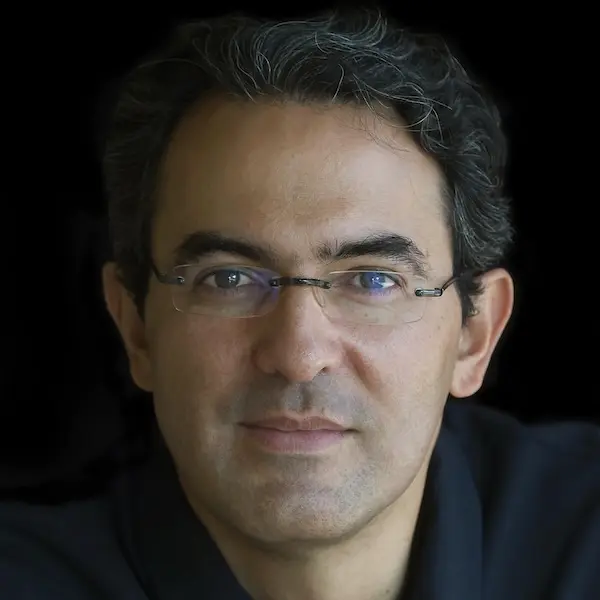
Internationally Acclaimed Novelist and Leading Voice on Democracy

Founder & CEO, Hanson Robotics | Creator of Sophia the Robot | AI, Robotics & Human-Machine Collaboration Pioneer
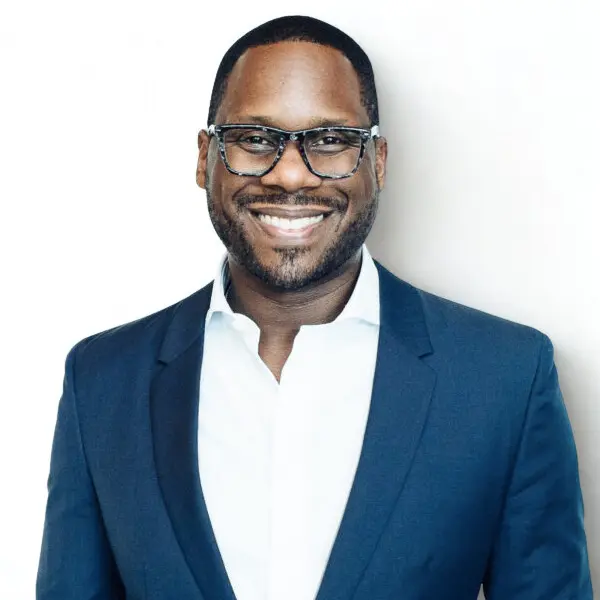
Founder & CEO, Øpus Intelligence | Former CMO, Beats by Dre | Former VP Marketing, Apple | Adweek Brand Genius | Marketing & AI Innovator


© 2026 Aurum Speakers Bureau. All Rights Reserved

| Basic Data Protection Information | |
|---|---|
| Data controller | AURUM SPEAKERS BUREAU S.L. |
| Address | Parc Audiovisual de Catalunya 1, Oficina S11, 08225 Terrassa, Spain |
| Purposes | We will use your data to respond to your requests and deliver our services to you. |
| Marketing | We will only send you marketing correspondence if you have given your prior consent, which you can do by ticking the box for that purpose. |
| Lawful basis | We will only process your data if you have given your prior consent, which you can do by ticking the box for that purpose. |
| Recipients | Generally, only our members of staff who have been duly authorised may access the data that you have provided. |
| Your Rights | You have the right to know what information we hold about you, to rectify it and to erase it, as explained in the additional information available on our website. |
| Additional Information | For more information, please see “PRIVACY POLICY” on our website. |