
Alondra de la Parra
Principal Conductor & Artistic Director, ORCAM Madrid | Former Music Director, Queensland Symphony Orchestra | Founder, Philharmonic Orchestra of the Americas | Leadership & Teamwork Expert

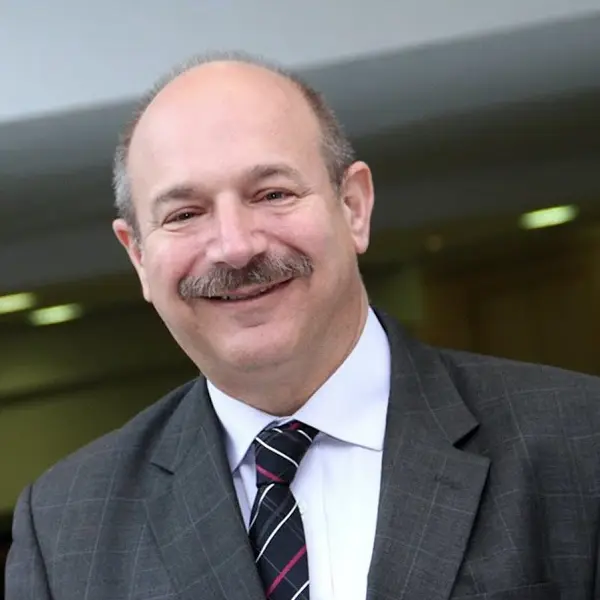
2011 Nobel Laureate in Physiology or Medicine | Director, Center for the Genetics of Host Defense, UT Southwestern | Inventor of Enbrel & Discoverer of TLR4
Few scientists have shaped modern medicine as directly as Bruce Beutler. The 2011 Nobel Laureate decoded how the innate immune system detects infection, identifying TLR4 as the bacterial sensor that triggers the body's defenses, and engineered the science behind Enbrel, one of the world's best-selling biologics. On stage, he connects frontier genetics to real clinical stakes, giving senior audiences an authoritative view of how discovery becomes medicine.
Want to book Bruce Beutler as a speaker for your event? Please provide the info below and we’ll get in touch within 24h:
Bruce Beutler is a Nobel Prize-winning immunologist and geneticist whose work reshaped how science understands the body’s first response to infection. He is Regental Professor and Director of the Center for the Genetics of Host Defense at the University of Texas Southwestern Medical Center, where he holds the Raymond and Ellen Willie Distinguished Chair in Cancer Research. A member of both the National Academy of Sciences and the National Academy of Medicine, speaker Bruce Beutler ranks among the most influential figures in modern biomedical research.
Nobel Prize speaker Bruce Beutler made his early mark at Rockefeller University, where he isolated mouse tumor necrosis factor (TNF) and showed that it was a primary driver of inflammation rather than a side effect of cancer biology. He went on to engineer recombinant inhibitors of TNF, the foundational work behind Etanercept (Enbrel), a biologic now used by millions of patients to manage rheumatoid arthritis, psoriasis, and other chronic inflammatory conditions. Few academic researchers can trace a direct line from a laboratory insight to a therapy of that scale.
His defining breakthrough arrived in 1998, when years of positional cloning led him to identify Toll-like receptor 4 (TLR4) as the sensor that lets mammalian immune cells detect lipopolysaccharide, the signature molecule of Gram-negative bacteria. By pinpointing how the innate immune system recognizes infection, he opened a new frontier of research in sepsis, cancer, and autoimmune disease.
For this body of work, Beutler shared the 2011 Nobel Prize in Physiology or Medicine with Jules Hoffmann and Ralph Steinman. His laboratory has since pioneered automated meiotic mapping, a platform that pairs large-scale mouse mutagenesis with next-generation sequencing to connect mutations to biological function at remarkable speed. The approach has illuminated well over a thousand phenotypes spanning immunity, metabolism, and neurobehavior. Recent work from his lab has zeroed in on the midnolin protein as a vulnerability in B-cell cancers such as leukemia, lymphoma, and multiple myeloma, pointing toward more selective treatments.
As a speaker, Bruce Beutler offers the rare vantage of a scientist who has carried discovery from the bench to the Nobel podium and back to active research. His talks address the questions defining medicine now: how the immune system tells friend from invader, how genetics shapes individual responses to disease, and what forward genetics means for the future of drug discovery. Senior audiences in healthcare, pharma, and academia value his gift for making molecular complexity clear without diluting its depth.
Beutler takes audiences into one of medicine's pivotal discoveries: the Toll-like receptors that act as sentinels of the innate immune system. He explains how immune cells recognize bacterial, viral, and fungal threats, why that recognition underpins everything from sepsis care to cancer immunotherapy, and where the field is heading next. A compelling session for healthcare leaders, researchers, and anyone curious about the biology of human resilience.
Beutler traces the path from basic questions about tumor necrosis factor to a recombinant inhibitor that became one of the world's most prescribed biologics. It is a masterclass in how fundamental research turns into therapies that change patients' lives, and a blueprint for how pharma and biotech can structure pipelines for translational impact. Ideal for R&D and innovation-focused audiences.
Genome-scale mutagenesis paired with automated phenotyping is reshaping how scientists uncover gene function, and Beutler's lab helped lead the way. This talk explores how systematic genetic screening reveals the foundations of immunity, cancer, and metabolism, and what that means for the next wave of targeted therapies. A must for leaders across biotech, genomics, and the life sciences.
A reflective, personal keynote on the making of great discoveries: the role of persistence, the value of chasing unexpected results, and the conditions that let breakthroughs flourish. Drawing on decades across academia and Nobel-recognized research, Beutler offers leaders a framework for building cultures where genuine innovation can take root. Powerful for executive audiences in healthcare, academia, and knowledge-driven industries.
Principal Conductor & Artistic Director, ORCAM Madrid | Former Music Director, Queensland Symphony Orchestra | Founder, Philharmonic Orchestra of the Americas | Leadership & Teamwork Expert
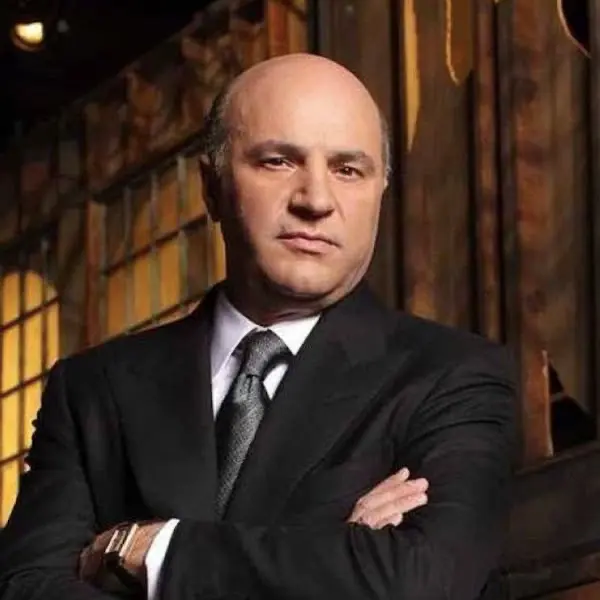
Star of ABC's Shark Tank & CBC's Dragon's Den | Chairman, O'Leary Ventures | Bestselling Author & Venture Capitalist | AI Infrastructure Investor
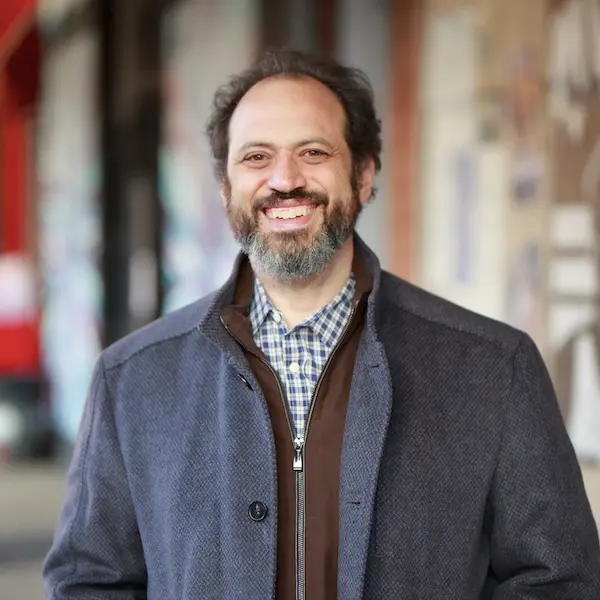
Associate Professor, The Wharton School | Co-Director of the Generative AI Labs at Wharton | #1 Bestselling Author of Co-Intelligence | TIME 100 Most Influential People in AI
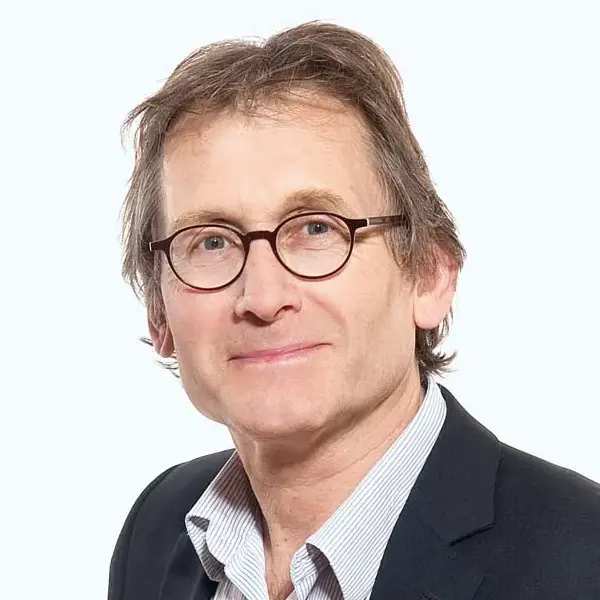
2016 Nobel Laureate in Chemistry | Jacobus van't Hoff Professor, University of Groningen | Inventor of the Molecular Motor | Pioneer of Photopharmacology


© 2026 Aurum Speakers Bureau. All Rights Reserved

| Basic Data Protection Information | |
|---|---|
| Data controller | AURUM SPEAKERS BUREAU S.L. |
| Address | Parc Audiovisual de Catalunya 1, Oficina S11, 08225 Terrassa, Spain |
| Purposes | We will use your data to respond to your requests and deliver our services to you. |
| Marketing | We will only send you marketing correspondence if you have given your prior consent, which you can do by ticking the box for that purpose. |
| Lawful basis | We will only process your data if you have given your prior consent, which you can do by ticking the box for that purpose. |
| Recipients | Generally, only our members of staff who have been duly authorised may access the data that you have provided. |
| Your Rights | You have the right to know what information we hold about you, to rectify it and to erase it, as explained in the additional information available on our website. |
| Additional Information | For more information, please see our "PRIVACY POLICY". |