

Every major conference has one. They open the event, set the tone, and often become the moment attendees remember most. Yet for many event planners, especially those booking their first large-scale event, the role of a keynote speaker is less obvious than it seems. This guide explains what a keynote speaker is, how the role differs from other speakers, what they actually do on stage, and how to find the right one for your event.
The Definition: What Does “Keynote” Mean?
The word keynote comes from music; it’s the foundational note that sets the pitch for everything that follows. In the context of a conference or corporate event, the keynote speaker does exactly that: they establish the central theme, energy, and intellectual direction of the entire gathering.
A keynote speaker is not simply the most prominent speaker on a program. They are chosen to anchor the event, frame the conversation, and give attendees a shared reference point for every session that follows. That distinction matters when deciding who belongs on the main stage versus a breakout panel.
What Does a Keynote Speaker Actually Do?

A keynote speaker commands the stage, delivering a focused message designed to inspire, challenge, and shift how the audience thinks.
A keynote address typically lasts between 15 and 60 minutes, with 45 minutes being the most common length. Recently, however, many organizations have been leaning toward shorter, TED-style talks, usually lasting 15 to 20 minutes.
The best keynote speakers combine narrative skill with credibility. They tell stories that resonate, deliver ideas that reframe how the audience thinks about a topic, and leave the room with a feeling of momentum. The content is carefully calibrated to the audience’s industry, challenges, and goals. A keynote on AI disruption lands differently for a fintech audience than for a healthcare leadership team.
Most keynotes include a Q&A segment, though some speakers prefer to keep the format closed to maintain pacing and impact. VIP dinners, meet-and-greets, and panel appearances are often bundled into the engagement, depending on what is negotiated.
Keynote Speakers vs. Other Speaker Types
The term “speaker” covers a wide range of roles, and conflating them leads to mismatched expectations.
A keynote speaker opens or closes the event and addresses the full audience. A breakout or session speaker delivers more specialized content to a smaller group. That content is usually deeper, more technical, and interactive. A workshop facilitator leads hands-on exercises and is not typically the right fit for a main stage slot. A moderator or MC manages the flow of the program but is not there to deliver original ideas.
On the other hand, some professionals fill multiple roles. A leadership speaker might open the conference as a keynote and then lead a workshop the following morning. That flexibility is worth exploring when planning multi-day programs.
What Makes a Strong Keynote Speaker?
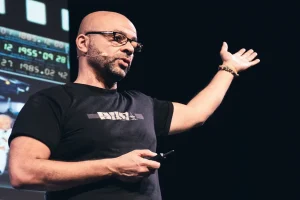
Mo Gawdat shares a deeply human perspective on happiness and resilience, blending lived experience with powerful storytelling to connect with audiences at scale.
Credentials alone do not make a great keynote speaker. The organizations that book the most effective speakers understand that stage presence, narrative ability, and audience adaptability matter as much as a résumé.
The strongest keynote speakers share a few common traits. They have a clear and original point of view; it is not a collection of best practices, but a perspective shaped by real experience. They know how to read a room and adjust in real time. They deliver content that is specific enough to be actionable but universal enough to land across a diverse audience. They furthermore understand that their job is to serve the event’s goals, not to showcase their own story.
Experience level matters, too. A first-time speaker may be brilliant on paper but struggle with pacing or stage nerves in front of 2,000 people. Established keynote speakers bring the composure that comes from having done it hundreds of times.
How Much Does a Keynote Speaker Cost?
Speaker fees vary significantly depending on the speaker’s profile, demand, and the nature of the event. A first-time regional speaker and a former head of state occupy entirely different fee brackets – and everything in between exists across a wide spectrum shaped by experience, topic relevance, and audience size.
What the fee covers is equally important to understand. Travel, accommodation, AV requirements, and exclusivity clauses are negotiated separately from the speaking fee itself. A speakers bureau handles this negotiation on the client’s behalf and can often secure better terms than a direct approach.
How to Find and Book a Keynote Speaker

Ian Beacraft delivers a future-focused keynote, translating complex technological shifts into clear, actionable insights tailored to the audience and event brief.
The most efficient path to booking a keynote speaker is through a speakers bureau. Understanding what a speakers bureau actually does, from curation and negotiation to logistics and day-of support, helps event planners use that relationship more effectively from the first inquiry. Working with a bureau also protects the event organizer.
Working with a bureau also protects the event organizer. Contracts are standardized, expectations are clearly set on both sides, and there is a professional intermediary if anything needs to be adjusted.
When briefing a bureau, be specific: What is the event’s theme? Who is in the audience (industry, seniority, geography)? What tone do you want; challenging, inspiring, practical? What is the budget? The more precise the brief, the better the match.
What Topics Do Keynote Speakers Cover?
The most in-demand topics shift with the business environment, but several themes consistently draw the strongest speakers. Artificial intelligence and the future of work dominate corporate agendas right now, with AI speakers fielding more inquiries than nearly any other category — and raising questions that go well beyond technology, from ethics and workforce transformation to organizational culture. Leadership, resilience, and innovation remain perennial priorities. Sustainability and geopolitical uncertainty have also seen significant growth in demand.
Niche topics, such as longevity science, cybersecurity, and behavioral economics, often produce the most memorable keynotes because the speaker brings genuine expertise the audience has never encountered before, rather than repackaging familiar ideas.
Frequently Asked Questions
Why should organizations hire a keynote speaker through a speakers bureau?
A speakers bureau provides access to a vetted roster, handles contract negotiations, and ensures the speaker is the right fit before any commitment is made. Working directly with a speaker or their management introduces risk — no standardized contracts, no recourse if the engagement falls through, and no experienced intermediary to manage expectations on both sides. Aurum Speakers Bureau works with event organizers to identify candidates across budget ranges and confirm availability. Reach out to discuss your event.
What is the difference between a keynote speaker and a motivational speaker?
The terms overlap but are not interchangeable. A motivational speaker focuses primarily on inspiring the audience. They draw on personal stories of adversity, resilience, or transformation. A keynote speaker’s brief is broader: they may motivate, but they are equally likely to educate, provoke strategic thinking, or reframe an industry challenge. Many motivational speakers also deliver compelling keynotes, but not every keynote speaker is primarily a motivational one.
How far in advance should you book a keynote speaker?
For marquee events with high-profile speakers, six to twelve months is the realistic lead time. The most sought-after speakers are booked well in advance, particularly for October (conference season peak), year-end events, and major industry gatherings. For smaller or more flexible engagements, two to three months is sometimes achievable, but it limits the pool significantly.
Can a keynote speaker customize their presentation for our industry?
Yes and any speaker worth booking will. A strong keynote speaker adapts their core message to the specific audience, industry language, and event context. When briefing a speaker, share details about the audience’s background, the event’s central theme, and any specific challenges the organization is navigating. The more context a speaker has, the more precisely they can tailor their content. Most bureaus facilitate a pre-event call between the speaker and the event organizer to align on this.
Contact Aurum Speakers Bureau to find the right keynote speaker for your next event — we match your brief to the right voice, at the right budget.