
Strategy gets the headlines, but culture is what quietly decides whether a strategy ever gets executed. It shapes how people behave when no one is watching, whether talent stays or leaves, and how an organization holds together under pressure. Leaders know this, which is why the demand for speakers who can actually move culture, rather than just talk about it, keeps growing.
The challenge is that culture is easy to sloganize and hard to build. The speakers who make a difference are the ones who have done the work, in companies large and small, and can turn it into something an audience can apply on Monday. The best corporate culture speakers do not hand you a poster for the wall; they hand you a method.
Here are the voices we recommend most often to organizations serious about building a culture that lasts.
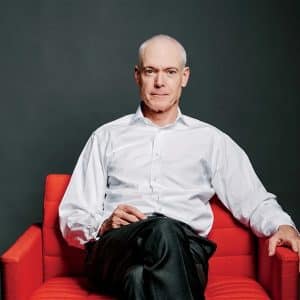
Jim Collins, whose decades of research on why great companies endure gave leaders the language of Level 5 leadership and the flywheel.
Jim Collins
No name is more foundational to this conversation than Jim Collins. Over decades of research, he has studied why some companies make the leap to greatness while comparable peers do not, and his answer keeps returning to disciplined people and a disciplined culture. Concepts he popularized, getting the right people on the bus, Level 5 leadership, the flywheel, have become part of the language leaders use to talk about building something enduring. His signature book, Good to Great, remains one of the most influential business titles ever written. For an audience, Collins offers the rare combination of rigorous evidence and durable frameworks, which is why he sits at the top of almost any serious culture conversation.
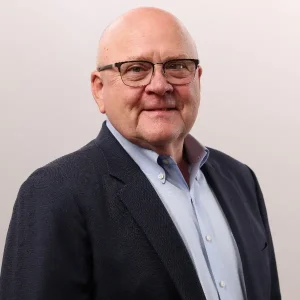
Garry Ridge spent 25 years building the WD-40 “tribe,” a culture so strong that almost every employee says they love to work there.
Garry Ridge
Few leaders have built and sustained a culture as admired as the one Garry Ridge created at WD-40 Company. Over 25 years asits CEO, now serving as Chairman Emeritus, he turned the maker of a single iconic product into a workplace with employee engagement figures most companies can only dream of, where the overwhelming majority of people say they love to work. He calls it the WD-40 “tribe,” a culture built on belonging, servant leadership, and what he famously reframed as “learning moments” rather than mistakes. Now known as the Culture Coach and a co-author with Ken Blanchard, Ridge speaks with the credibility of someone who lived the results he describes. He is a natural fit for events focused on engagement and change management, where his lived experience lands harder than theory.
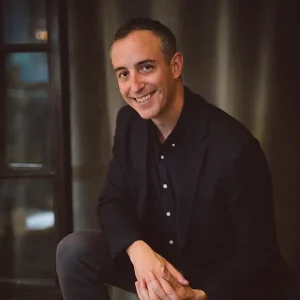
Will Guidara turned the world’s best restaurant into a lesson any business can use: culture is the daily practice of giving people more than they expect.
Will Guidara
Will Guidara took Eleven Madison Park to the top of the World’s 50 Best Restaurants list, then turned the philosophy behind that rise into one of the most talked-about business ideas of recent years. His book Unreasonable Hospitality argues that any organization, not just a restaurant, can choose to be in the hospitality business, treating people with a level of care that turns ordinary transactions into memorable experiences. It is a culture message as much as a service one: how a team treats each other shapes how it treats customers. Dynamic and story-driven on stage, Guidara helps audiences see culture as a daily practice of giving people more than they expect, which resonates far beyond the dining room.
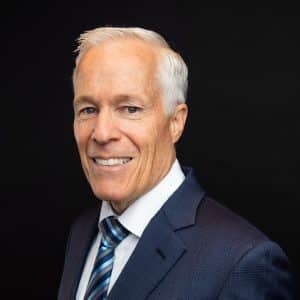
Joseph Grenny’s research shows that culture is built or broken in the crucial conversations people either hold well or avoid.
Joseph Grenny
Culture is built or broken in the moments when stakes are high and people either speak up or stay silent. Joseph Grenny has spent his career studying exactly those moments. A social scientist and co-founder of Crucial Learning, formerly VitalSmarts, he is the co-author of the communication classic Crucial Conversations, whose frameworks are used by close to half of the Forbes Global 2000. His message is practical and evidence-based: the health of a culture comes down to whether people can hold honest, respectful conversations about the things that matter most. For leaders wrestling with accountability, trust, or silence in their ranks, Grenny turns soft skills into a hard competitive advantage.

Beth Davies helped Tesla scale from 600 to 33,000 people, her mission to keep breakneck growth from diluting the culture.
Beth Davies
Almost no one has a sharper view of culture under pressure than Beth Davies. As Director of Learning and Development at Tesla, she helped the company grow from 600 to 33,000 employees, and her central charge was protecting the culture from being diluted by that breakneck expansion. Before Tesla she built training and development at Apple, Microsoft, and Gap, giving her a rare view of how the world’s most demanding companies scale people and values at once. Now the founder of her own advisory practice and an adjunct professor at IE Business School, she speaks with hard-won authority on the questions that keep HR and people leaders up at night: how do you grow fast without losing who you are?

As Siemens’ CHRO, Janina Kugel led the people strategy for hundreds of thousands of employees and helped reinvent the company’s culture.
Janina Kugel
For culture at genuine global scale, few speakers match Janina Kugel. As Chief Human Resources Officer and a member of the Managing Board of Siemens, she was responsible for the people strategy of a workforce numbering in the hundreds of thousands, and she helped transform the company’s image from a staid engineering giant into a modern, diverse, forward-looking employer. Now a senior advisor and a supervisory board member at companies including TUI and Kyndryl, she speaks with authority on diversity, the future of work, and leading cultural change across borders and generations. Kugel brings a distinctly European, boardroom-level perspective on how culture, diversity, and business performance reinforce one another.
Carl Honoré

Carl Honoré, voice of the Slow Movement, argues that a calmer, more deliberate culture is where creativity and good decisions actually live.
If most culture talks are about doing more, Carl Honoré offers a needed counterpoint. As the global voice of the Slow Movement and the author of In Praise of Slow, he argues that the always-on, speed-obsessed culture many organizations have built is quietly undermining creativity, wellbeing, and good decision-making. His message is not about working less but about working with intention, resisting the reflex to rush, and building a culture where people have room to think. In an era of burnout and relentless pace, Honoré gives audiences permission and a framework to slow down where it counts, an argument he first brought to a global audience in his widely viewed TED talk on slowness.
Building the right lineup for your event
The best culture speaker for your organization depends on where you are: scaling fast, rebuilding trust, merging teams, or fighting burnout. If you want to see how these themes connect to broader leadership, our roundup of the top leadership keynote speakers is a useful next read. And if you would like help matching the right voice to your specific culture challenge, contact Aurum Speakers Bureau and we will help you shortlist speakers who fit your audience, goals, and budget.