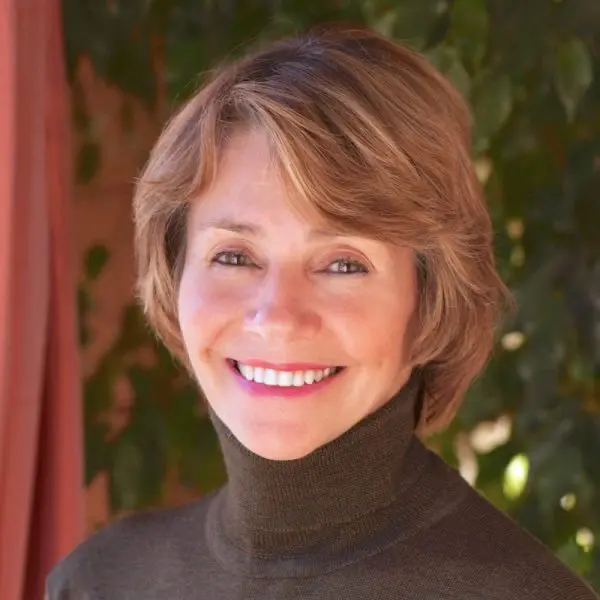
Lynne Twist
Founder, Soul of Money Institute | Author of The Soul of Money & Living a Committed Life | Global Philanthropy and Values-Based Leadership Expert


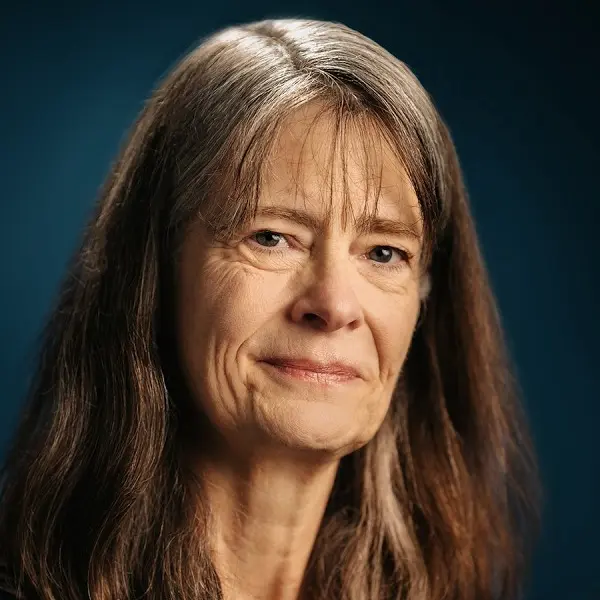
2025 Nobel Laureate in Physiology or Medicine | Co-Discoverer of FOXP3 | Distinguished Investigator, Institute for Systems Biology
A 2025 Nobel Laureate in Physiology or Medicine, Mary Brunkow co-discovered FOXP3, the master gene governing immune self-regulation, unlocking new frontiers in cancer immunotherapy, autoimmune disease, and transplantation. Her talks take audiences inside decades of discovery science, offering rare insight into how persistence and collaboration drive breakthroughs that reshape medicine.
Want to book Mary Brunkow as a speaker for your event? Please provide the info below and we’ll get in touch within 24h:
Mary Brunkow is a 2025 Nobel Laureate in Physiology or Medicine whose foundational work on the FOXP3 gene transformed the scientific understanding of how the immune system regulates itself. A molecular biologist and geneticist trained at the University of Washington and Princeton University, where she earned her PhD in molecular biology under renowned geneticist Dr. Shirley M. Tilghman, speaker Mary Brunkow built her career at the intersection of discovery science and translational medicine in the Seattle biotech ecosystem.
Nobel Prize speaker Mary Brunkow is best known for co-identifying FOXP3, the master regulatory gene that controls the development and function of regulatory T cells, the immune system’s internal “off switch.” Working alongside colleagues at Darwin Molecular Corporation and later Celltech in Bothell, Washington, Brunkow and Fred Ramsdell began investigating a mutant mouse strain called “scurfy,” which suffered from a severe, fatal immune disorder. Through years of meticulous genetic mapping and sequencing, they pinpointed a two-base-pair mutation in a previously unknown gene, work that answered a century-old riddle in immunology. Their landmark findings, published in three seminal papers in Nature Genetics in 2001, not only named and characterized FOXP3 but also connected mutations in the human equivalent of the gene to IPEX syndrome, a life-threatening autoimmune disorder.
Brunkow’s FOXP3 research became the molecular keystone for an entirely new field in peripheral immune tolerance. When Shimon Sakaguchi later proved that the same gene governs the regulatory T cells he had discovered in 1995, the combined body of work revealed the biological mechanism preventing the immune system from attacking the body’s own tissues. This breakthrough opened three major therapeutic frontiers: designing immunotherapies that suppress regulatory T cells to unleash immune attacks on tumors; developing Treg-based treatments to curb autoimmune disease flares; and advancing protocols for more successful organ and stem cell transplantation. Brunkow is currently a Distinguished Investigator at the Institute for Systems Biology in Seattle, where she continues contributing to multidisciplinary research in immunology, genomics, and systems biology through ISB’s Hood Lab. Her Nobel Prize coverage spanned The New York Times, The Washington Post, The Wall Street Journal, and NPR.
As a speaker, Mary Brunkow brings a rare combination of scientific depth and genuine human storytelling to the stage. She takes audiences inside one of the most consequential discoveries in modern medicine, beginning with a puzzling mutant mouse and ending with Nobel-recognized insights that now guide cancer immunotherapy, autoimmune treatment, and transplant science worldwide. For healthcare, biotech, research, and leadership audiences, her talks offer a masterclass in how curiosity, persistence, and collaborative science drive breakthroughs that reshape entire fields. Brunkow’s story is also a powerful reminder that transformative discoveries often happen outside the spotlight, a message that resonates deeply with organizations navigating innovation and long-horizon thinking.
In this flagship talk, Brunkow walks audiences through the multi-decade scientific journey that led to the discovery of FOXP3 and its role as the master regulator of the immune system. From puzzling observations in a mutant mouse to Nobel-recognized findings that now drive cancer immunotherapy and autoimmune treatment, this keynote combines scientific depth with a deeply human story about curiosity, collaboration, and the unpredictable path of discovery.
Brunkow explores the clinical and commercial frontiers opened by regulatory T cell science: from checkpoint immunotherapy in oncology to Treg-based treatments for autoimmune disease and organ transplantation. This talk gives biotech, pharma, and healthcare leadership audiences a clear-eyed view of where immune tolerance research is heading and what it means for patients, therapeutics development, and the future of precision medicine.
Drawing on her own career, from early-stage biotech to a Nobel Prize decades in the making, Brunkow delivers a powerful reflection on patience, scientific culture, and the value of basic research. This talk speaks directly to leaders navigating innovation, R&D strategy, and long-horizon thinking, offering a compelling case for why investing in foundational discovery is ultimately the highest-return bet an organization can make.
A more accessible, science-forward talk suitable for broad audiences, this keynote demystifies autoimmunity: what causes it, why the immune system sometimes turns against the body, and how understanding FOXP3 and regulatory T cells is enabling a new generation of treatments. Equal parts science education and personal narrative, this presentation is ideal for healthcare events, patient advocacy forums, and corporate wellness or healthcare leadership conferences.
Founder, Soul of Money Institute | Author of The Soul of Money & Living a Committed Life | Global Philanthropy and Values-Based Leadership Expert

Co-founder of Mercury 13 | Board Member, Como Women FC | Former Sporting Director, Angel City FC | Broadcaster, ITV/BBC/Sky Sports | Author

Co-Founder & CEO, Odyssey | Former VP Product, Cruise | Founder, Voyage | Pioneer of World Models, Autonomous Vehicles & Generative AI
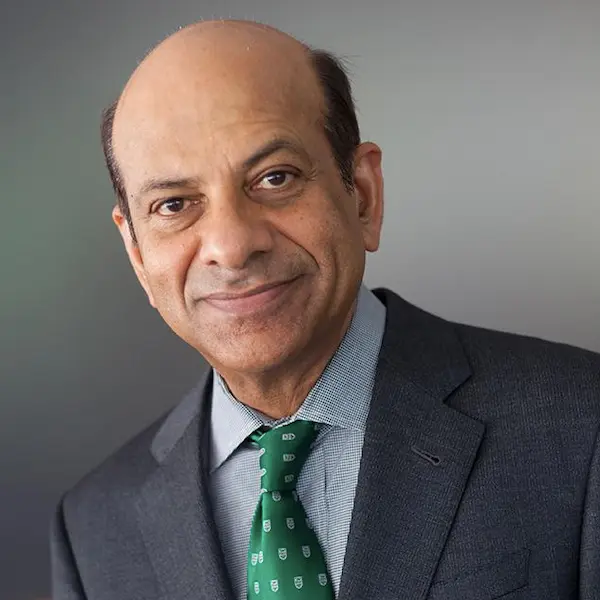
Coxe Distinguished Professor, Tuck School of Business at Dartmouth | World Authority on Strategy & Innovation | Creator of Reverse Innovation | Bestselling Author | Thinkers50 Hall of Fame


© 2026 Aurum Speakers Bureau. All Rights Reserved

| Basic Data Protection Information | |
|---|---|
| Data controller | AURUM SPEAKERS BUREAU S.L. |
| Address | Parc Audiovisual de Catalunya 1, Oficina S11, 08225 Terrassa, Spain |
| Purposes | We will use your data to respond to your requests and deliver our services to you. |
| Marketing | We will only send you marketing correspondence if you have given your prior consent, which you can do by ticking the box for that purpose. |
| Lawful basis | We will only process your data if you have given your prior consent, which you can do by ticking the box for that purpose. |
| Recipients | Generally, only our members of staff who have been duly authorised may access the data that you have provided. |
| Your Rights | You have the right to know what information we hold about you, to rectify it and to erase it, as explained in the additional information available on our website. |
| Additional Information | For more information, please see our "PRIVACY POLICY". |