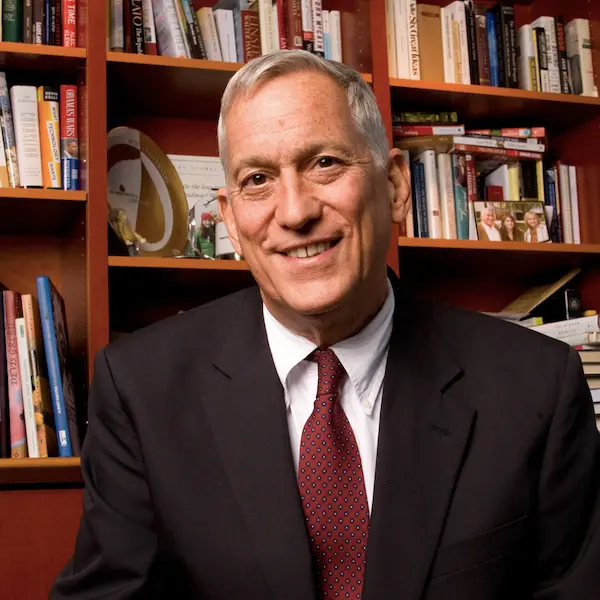
Walter Isaacson
Bestselling Biographer of Steve Jobs, Einstein, Leonardo da Vinci & Elon Musk | Former CEO of the Aspen Institute & CNN | Former Editor of TIME | Professor of History, Tulane


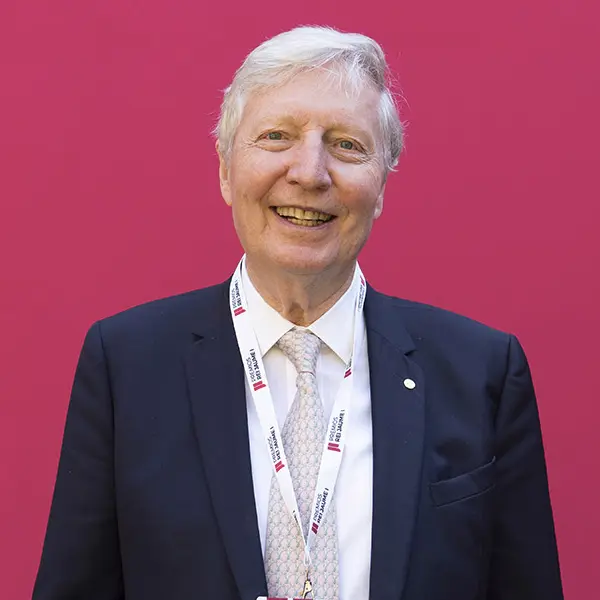
2011 Nobel Laureate in Physiology or Medicine | Discoverer of Toll's Role in Innate Immunity | Emeritus Research Director, CNRS | Former President, French Academy of Sciences
Much of today's work on vaccine adjuvants, sepsis, and cancer immunotherapy traces back to a question Jules Hoffmann asked of the fruit fly: how does the body know it is under attack? His Nobel-winning answer, the Toll pathway, revealed a defense system shared by flies and humans. On stage he turns it into a lesson in how breakthroughs happen, showing audiences where medicine is heading and why curiosity-driven research pays off.
Want to book Jules Hoffmann as a speaker for your event? Please provide the info below and we’ll get in touch within 24h:
Nobel Prize speaker Jules Hoffmann is the Luxembourg-born French biologist whose research on the fruit fly Drosophila revealed how animals, humans included, detect infection and switch on their first line of defense. He shared the 2011 Nobel Prize in Physiology or Medicine with Bruce Beutler and Ralph Steinman for discoveries concerning the activation of innate immunity. Hoffmann is an Emeritus Research Director at France’s CNRS, a professor at the University of Strasbourg and its Institute for Advanced Study, and a former President of the French Academy of Sciences.
Among the Nobel Prize speakers represented by Aurum Speakers Bureau, Hoffmann stands out for a career built on a deceptively simple question: how do insects, which produce no antibodies, survive in a world full of microbes? At the CNRS in Strasbourg he founded the Immune Response and Development in Insects unit in 1978. In 1996, his laboratory, working with Bruno Lemaitre, showed that the Toll gene, until then known for shaping the fly embryo, is essential for fighting fungal infection. Flies without a working Toll pathway were overwhelmed by infection and died.
The finding reached far beyond insects. It pointed researchers toward the Toll-like receptors of mammals, including the TLR4 receptor identified by Beutler, and showed that the same molecular logic governs immune sensing from flies to people. That knowledge now informs work on vaccine adjuvants, sepsis, cancer immunotherapy, and chronic inflammatory disease.
Beyond the Nobel Prize, Hoffmann has received the CNRS Gold Medal, the Shaw Prize in Life Science and Medicine, the Canada Gairdner International Award, and the Balzan Prize. He is a member of the U.S. National Academy of Sciences, the American Academy of Arts and Sciences, the German National Academy of Sciences Leopoldina, and the Russian Academy of Sciences. France named him a Commander of the Legion of Honor.
As a speaker, Jules Hoffmann guides audiences from the laboratory bench to the stakes of modern medicine with warmth, clarity, and a scientist’s candor. He connects the story of a fruit fly to questions that matter to executives and policymakers: how new therapies are discovered, why vaccines work, how societies prepare for the next pandemic, and why patient, curiosity-driven research pays off. His talks suit healthcare and life sciences summits, pharmaceutical and biotech conferences, universities, and leadership forums that want frontier science made clear and relevant.
Hoffmann's signature keynote follows the path from a lifelong fascination with insects to a finding that rewrote immunology. He shows how the Toll gene in fruit flies exposed a molecular alarm system that senses infection in insects and humans alike, and why that insight now shapes how medicine approaches sepsis, autoimmune disease, and cancer.
The talk pairs scientific depth with a clear human story, making it a strong fit for healthcare, life sciences, and leadership audiences with an appetite for ideas.
A fly and a human share far more of their immune machinery than most people imagine. Hoffmann explains how hundreds of millions of years of evolution preserved a common toolkit for detecting microbes, and what that continuity means for new ways to treat infection, inflammation, and cancer.
Designed for biotech, pharmaceutical R&D, and science policy audiences who want to understand where the next generation of therapies will come from.
Nobody set out to transform medicine by studying flies. Hoffmann reflects on how open-ended research, pursued without a fixed commercial goal, produced a Nobel Prize and a wave of clinical advances. He draws practical lessons for leaders: how to protect exploratory work, how to live with uncertainty, and how to turn long-horizon bets into lasting results.
A thoughtful choice for executive audiences in any industry that depends on innovation.
What scientists learned about how the immune system recognizes pathogens now sits at the center of some of medicine's most promising work, from modern vaccine adjuvants and immunotherapy to earlier detection of emerging threats. Hoffmann connects this foundational science to the therapeutic and public health opportunities ahead.
Ideal for senior decision-makers in healthcare, government, and investment who need a grounded view of where immunology is heading.
Bestselling Biographer of Steve Jobs, Einstein, Leonardo da Vinci & Elon Musk | Former CEO of the Aspen Institute & CNN | Former Editor of TIME | Professor of History, Tulane
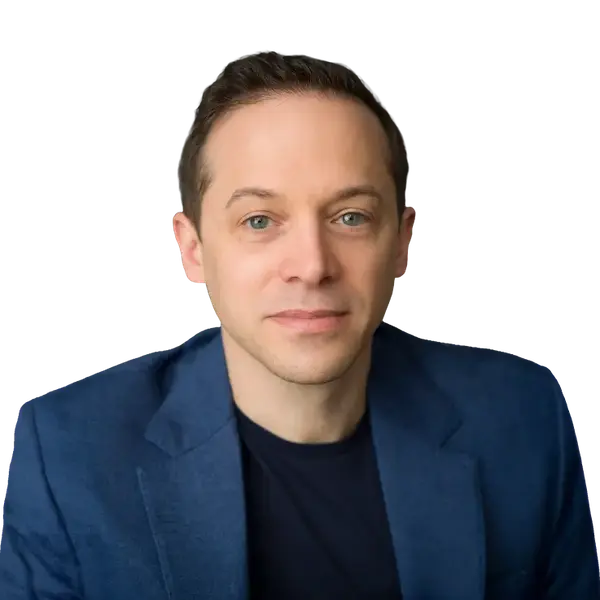
#1 New York Times Bestselling Author of Range & The Sports Gene | Former Investigative Reporter at ProPublica & Sports Illustrated | TED Speaker with 12M+ Views
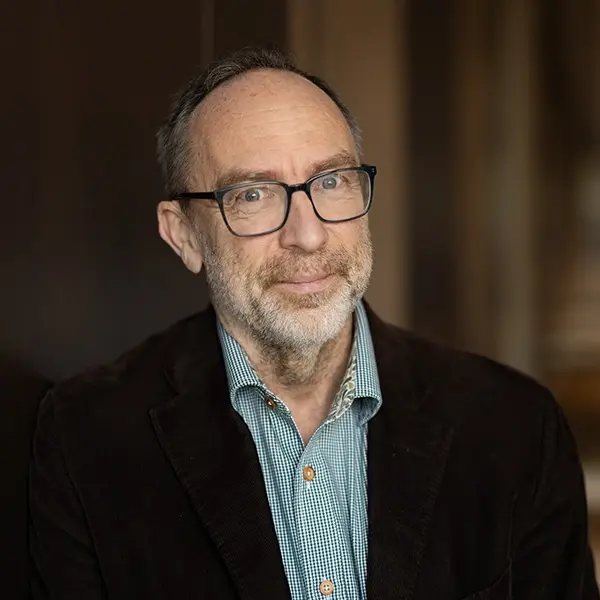
Co-Founder & Former Chair of Wikipedia | Internet Entrepreneur & Free Knowledge Advocate | Open Web Pioneer
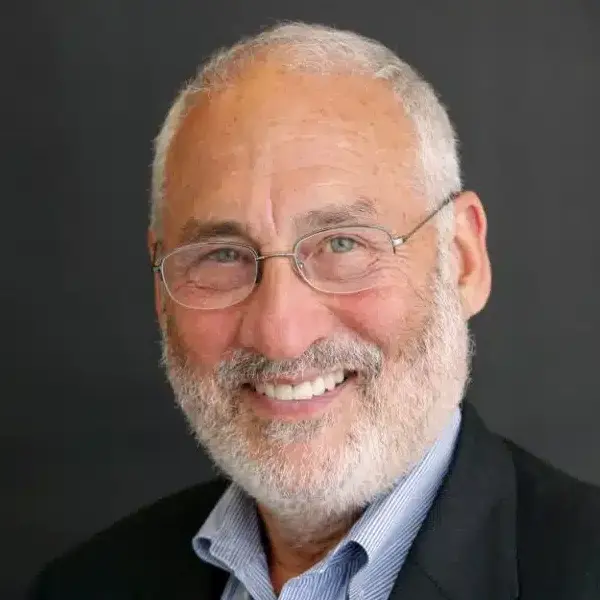
2001 Nobel Laureate in Economics | University Professor, Columbia | Chief Economist, Roosevelt Institute | Former Chief Economist, World Bank


© 2026 Aurum Speakers Bureau. All Rights Reserved

| Basic Data Protection Information | |
|---|---|
| Data controller | AURUM SPEAKERS BUREAU S.L. |
| Address | Parc Audiovisual de Catalunya 1, Oficina S11, 08225 Terrassa, Spain |
| Purposes | We will use your data to respond to your requests and deliver our services to you. |
| Marketing | We will only send you marketing correspondence if you have given your prior consent, which you can do by ticking the box for that purpose. |
| Lawful basis | We will only process your data if you have given your prior consent, which you can do by ticking the box for that purpose. |
| Recipients | Generally, only our members of staff who have been duly authorised may access the data that you have provided. |
| Your Rights | You have the right to know what information we hold about you, to rectify it and to erase it, as explained in the additional information available on our website. |
| Additional Information | For more information, please see our "PRIVACY POLICY". |