
Eniola Aluko
Co-founder of Mercury 13 | Board Member, Como Women FC | Former Sporting Director, Angel City FC | Broadcaster, ITV/BBC/Sky Sports | Author


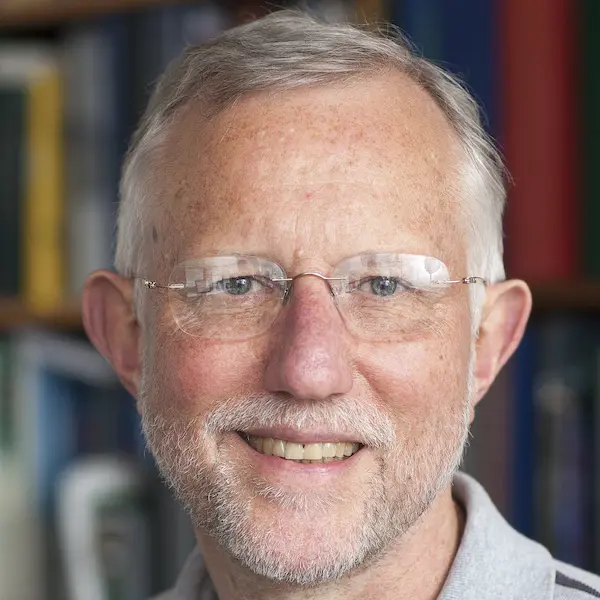
2020 Nobel Laureate in Physiology or Medicine | Discoverer of the Hepatitis C Virus | Greenberg Professor in Virology & SNF Institute Director, Rockefeller University
The science behind the hepatitis C cure begins with Charles M. Rice. As a 2020 Nobel Laureate in Physiology or Medicine, he proved that HCV alone causes hepatitis, a finding that unlocked curative treatments now reaching patients worldwide. At Rockefeller University he leads the Laboratory of Virology and Infectious Disease and directs the SNF Institute for Global Infectious Disease Research. His talks reveal how patient science reshapes global health.
Want to book Charles M. Rice as a speaker for your event? Please provide the info below and we’ll get in touch within 24h:
Nobel Prize speaker Charles M. Rice is a 2020 Nobel Laureate in Physiology or Medicine whose decades of groundbreaking research unlocked the biology of the hepatitis C virus, work that ultimately led to curative treatments now saving millions of lives worldwide. He holds the Maurice R. and Corinne P. Greenberg Professorship in Virology at The Rockefeller University in New York City, where he leads the Laboratory of Virology and Infectious Disease and directs the Stavros Niarchos Foundation (SNF) Institute for Global Infectious Disease Research. He is additionally an adjunct professor at Cornell University and Washington University School of Medicine.
Rice shared the 2020 Nobel Prize in Physiology or Medicine with Harvey J. Alter and Michael Houghton “for the discovery of Hepatitis C virus.” While Alter and Houghton identified the virus itself, Rice’s decisive contribution was proving that HCV alone was sufficient to cause hepatitis, a result that cleared the path for blood screening tests and antiviral therapies. His laboratory produced the first infectious molecular clone of HCV, identified a critical conserved RNA element at the 3′ terminus of the viral genome, and pioneered the cell culture systems that allowed the pharmaceutical industry to develop and validate direct-acting antiviral drugs.
Before arriving at Rockefeller in 2001, Rice spent fourteen years on the faculty at Washington University in St. Louis, where he built his reputation studying flaviviruses and alphaviruses. He earned his Ph.D. from Caltech in 1981 under James Strauss, a formative experience that introduced him to RNA virology and shaped the methods behind his later work on hepatitis C. His career spans more than five hundred peer-reviewed publications across virology, immunology, and infectious disease, with ongoing research extending into SARS-CoV-2, dengue, Zika, and other flaviviruses.
Rice’s recognition from the Nobel Committee affirmed the transformative public health value of his research. Hepatitis C infects an estimated 170 million people globally, causing chronic liver disease, cirrhosis, and cancer. The combination drug therapies made possible by the scientific foundations Rice helped establish can now cure the infection in the vast majority of patients within two to three months. He is a Fellow of the American Association for the Advancement of Science, a Member of the U.S. National Academy of Sciences, a past President of the American Society for Virology, and a recipient of the 2016 Lasker-DeBakey Clinical Medical Research Award, among numerous honors including the Robert Koch and InBev Baillet-Latour prizes.
As a speaker, Charles M. Rice brings rare scientific depth and genuine intellectual humility to conversations about virology, pandemic preparedness, drug development, and the long arc of biomedical discovery. His talks illuminate how curiosity-driven basic research, often pursued without a clear commercial endpoint, can produce breakthroughs that redefine public health on a global scale. Senior audiences in healthcare, pharma, government, and science policy come away with a sharper understanding of how to structure research ecosystems, invest in long-term science, and apply the lessons of hepatitis C to the next major viral threat.
Few stories in modern medicine match the journey from an unidentifiable pathogen to a curative drug regimen. Rice walks audiences through the decades of basic research, failed experiments, and collaborative breakthroughs that ultimately yielded antiviral therapies capable of eliminating hepatitis C in two to three months. This keynote reveals how curiosity-driven science — with no guaranteed commercial outcome — can produce treatments that change the trajectory of global health.
The tools used to cure hepatitis C were built over four decades of fundamental virology research. Rice makes a compelling, evidence-based case for why sustained investment in basic science pays off — often in ways that cannot be predicted at the outset. Drawing on his own career and the broader arc of infectious disease research, he challenges audiences to rethink how governments, institutions, and companies fund and structure scientific discovery for long-term impact.
From HCV to SARS-CoV-2, Rice's laboratory has been at the frontier of understanding how RNA viruses infect, replicate, and evade immune defenses. This keynote draws on his experience across multiple viral families to explore what we have learned — and what we still need — to detect, contain, and treat the next major infectious disease threat. A vital session for audiences in public health, global health policy, and healthcare leadership.
Rice traces the journey from a laboratory hypothesis to an approved drug — using the hepatitis C story as a masterclass in scientific method, collaboration, and perseverance. He explores the roles played by academic researchers, regulatory bodies, pharmaceutical companies, and patient communities in converting a Nobel Prize-winning discovery into a practical cure, offering lessons applicable to any complex scientific or innovation pipeline.
Co-founder of Mercury 13 | Board Member, Como Women FC | Former Sporting Director, Angel City FC | Broadcaster, ITV/BBC/Sky Sports | Author
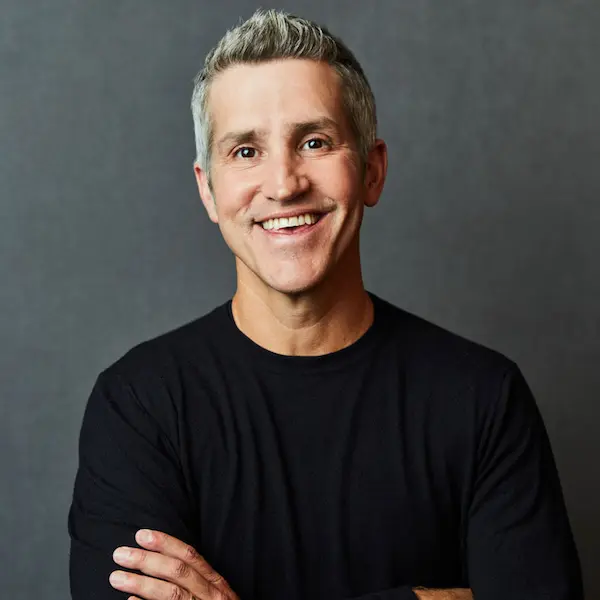
New York Times Bestselling Author of Soundtracks, Finish & Procrastination Proof | One of Inc.'s Top 100 Leadership Speakers | Host of the All It Takes Is a Goal Podcast
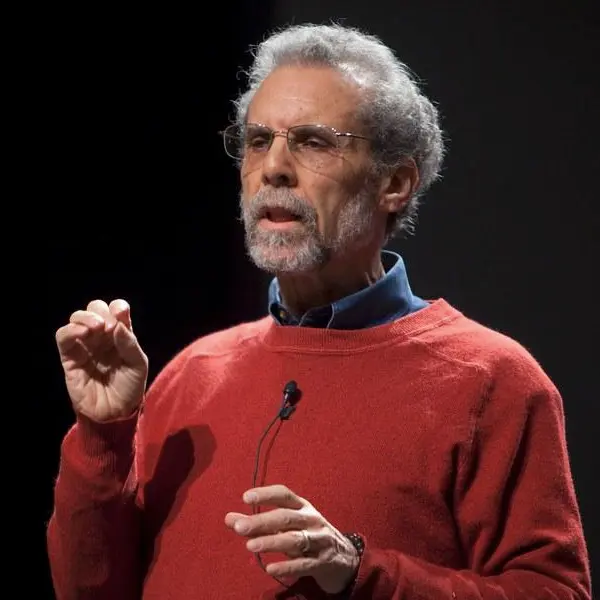
Psychologist & Author of Emotional Intelligence | Five-Time NYT Bestseller | Harvard PhD | Ranked Top 10 Business Thinker, WSJ
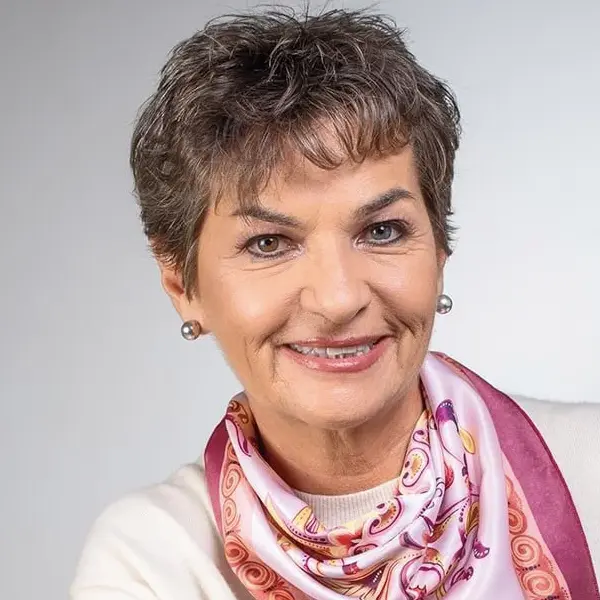
Architect of the 2015 Paris Agreement | Former Executive Secretary, UNFCCC | Co-Founder, Global Optimism | Bestselling Author


© 2026 Aurum Speakers Bureau. All Rights Reserved

| Basic Data Protection Information | |
|---|---|
| Data controller | AURUM SPEAKERS BUREAU S.L. |
| Address | Parc Audiovisual de Catalunya 1, Oficina S11, 08225 Terrassa, Spain |
| Purposes | We will use your data to respond to your requests and deliver our services to you. |
| Marketing | We will only send you marketing correspondence if you have given your prior consent, which you can do by ticking the box for that purpose. |
| Lawful basis | We will only process your data if you have given your prior consent, which you can do by ticking the box for that purpose. |
| Recipients | Generally, only our members of staff who have been duly authorised may access the data that you have provided. |
| Your Rights | You have the right to know what information we hold about you, to rectify it and to erase it, as explained in the additional information available on our website. |
| Additional Information | For more information, please see our "PRIVACY POLICY". |