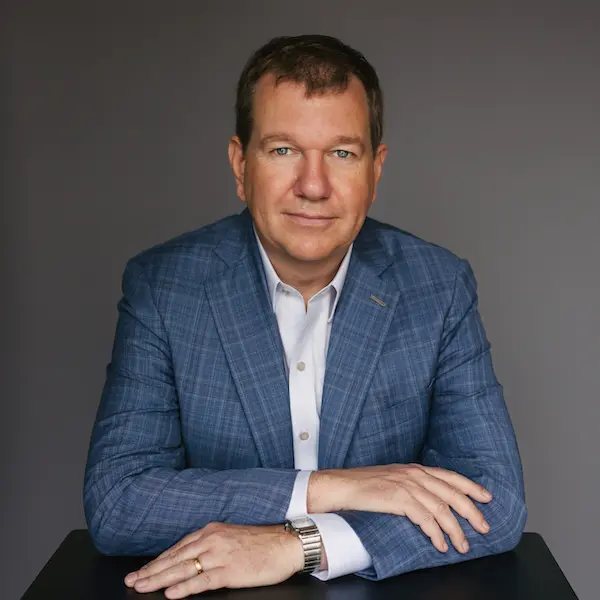
Ashley Goodall
Leadership & HR Expert | Author of The Problem with Change | Co-Author of Nine Lies About Work | Former SVP at Cisco & Chief Learning Officer at Deloitte


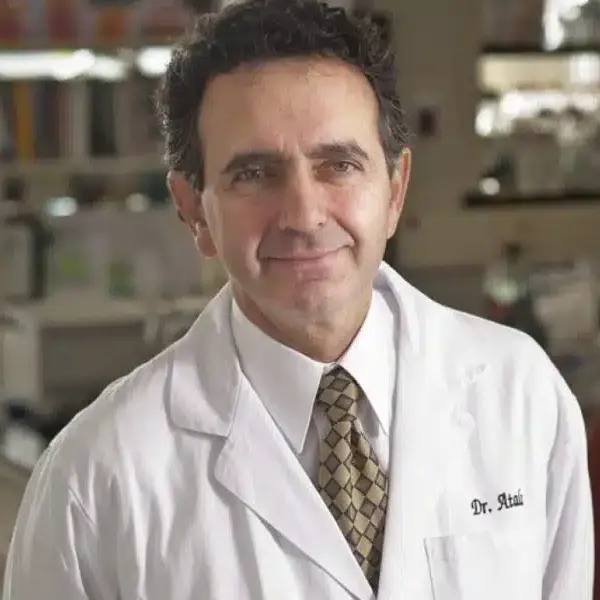
Founding Director, Wake Forest Institute for Regenerative Medicine | Inventor of the First 3D Bioprinter | Chair, ACS Board of Regents | 800+ Publications | 250+ Patents
Anthony Atala is the scientist who grew a human organ in a lab and printed living human tissue, then implanted them in patients. As founding director of the world's leading regenerative medicine institute, he has guided 17 therapies into human care and brings audiences face-to-face with a future where organ shortages are solved and damaged tissue is repaired with the body's own cells. His TED talk has captivated millions.
Want to book Anthony Atala as a speaker for your event? Please provide the info below and we’ll get in touch within 24h:
Healthcare speaker Anthony Atala is the founding director of the Wake Forest Institute for Regenerative Medicine (WFIRM), a professor and chair of the Department of Urology at Wake Forest University School of Medicine, and one of the world’s foremost pioneers in regenerative medicine, the science of repairing and replacing damaged tissues and organs using the body’s own cells. He has spent decades turning what once looked like science fiction into clinical reality.
Anthony Atala leads a team of more than 450 physicians, researchers, and engineers working on over 40 different tissues and organs. His laboratory has produced 17 clinical applications of cell and tissue therapies used in human patients, including skin, bladders, urethras, cartilage, muscle, and other organs, making WFIRM the most clinically productive regenerative medicine institute in the world. Atala created the Integrated Tissue and Organ Printing System (ITOP), the first 3D bioprinter capable of producing human-scale tissue constructs, and his team engineered the first lab-grown organ, a bladder, ever successfully implanted in a human being, a milestone recognized twice by Time magazine as one of the top ten medical breakthroughs of the year. His kidney research team went on to win the $1 million KidneyX Prize for a 3D kidney construct platform aimed at the global organ transplant shortage.
Atala’s credentials span science, surgery, and institutional leadership. He has published more than 800 peer-reviewed articles, holds over 250 national and international patents, and has edited 25 books, including Principles of Regenerative Medicine and 3D Biofabrication. He is a member of the National Academy of Medicine, a charter fellow of the National Academy of Inventors, and a member of the American Institute for Medical and Biological Engineering, and he was elected chair of the Board of Regents of the American College of Surgeons. His recent work includes fully functioning, multi-layered bioprinted skin shown to improve wound closure and reduce scarring, alongside continued advances in bioprinted kidney tissue. WFIRM has also been awarded a landmark NSF Engines grant of up to $160 million to build a regional regenerative medicine innovation hub.
As a speaker, Anthony Atala offers audiences a rare combination of visionary science and clinical proof. Where others forecast what bioprinting might one day achieve, he has already done it, in the operating room, with real patients. His TED talk on printing a human kidney has reached millions, and his keynotes translate that same clarity and wonder into the urgent questions facing healthcare, biotech, and innovation leaders: how to solve the organ shortage crisis, what medicine looks like when tissues can be grown on demand, and how to build the policy and investment frameworks to get there. Organizations book Anthony Atala when they need a speaker who does not just inspire but proves.
Atala takes audiences inside one of the world's most advanced regenerative medicine laboratories, where more than 40 tissues and organs are in active development and 17 technologies have already reached human patients. This keynote covers the science, the milestones, and the remaining frontiers of regenerative medicine, from lab-grown bladders and skin to the quest for printable kidneys and hearts, and what it means for the future of healthcare, aging, and quality of life.
Printing living human tissue on demand is no longer theoretical; it is happening in Atala's laboratory today. This keynote explores how 3D bioprinting works, the engineering breakthroughs that made it possible, and the clinical and commercial implications for hospitals, pharmaceutical companies, medical device makers, and health systems. Atala addresses both the extraordinary promise and the regulatory, ethical, and infrastructure challenges that will shape the industry's trajectory.
More than 100,000 people in the United States alone are on organ transplant waiting lists at any given time. Atala maps the full landscape of solutions, from bioengineered organs and 3D printing to xenotransplantation and cell therapies, and what it will take to move from promising research to population-scale impact. This talk is built for healthcare executives, policymakers, and investors who need to understand where the field is going and how to accelerate it.
Behind every medical breakthrough is a system of funding, collaboration, risk tolerance, and translation from laboratory to patient. Drawing on his experience building WFIRM into the world's leading regenerative medicine institute, Atala offers a practical framework for driving innovation in complex, high-stakes fields. This keynote is equally relevant for corporate R&D leaders, academic institutions, and government science agencies seeking to turn research investment into real-world outcomes.
Leadership & HR Expert | Author of The Problem with Change | Co-Author of Nine Lies About Work | Former SVP at Cisco & Chief Learning Officer at Deloitte
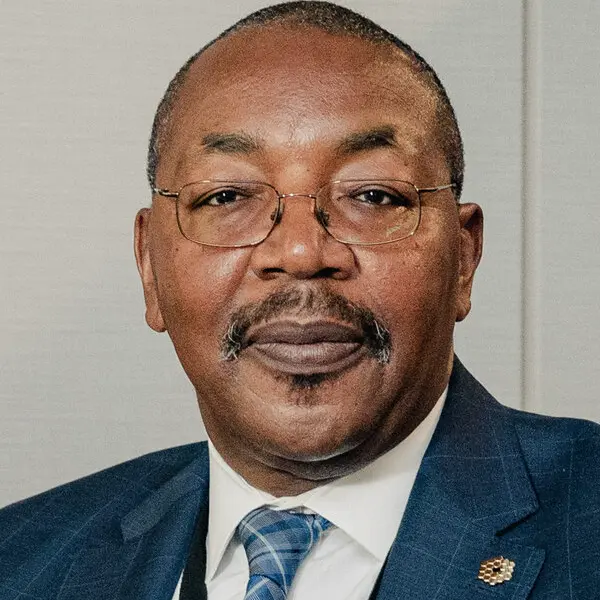
Former Director, NASA James Webb Space Telescope | TIME100 Most Influential People 2022 | Columbia University Faculty
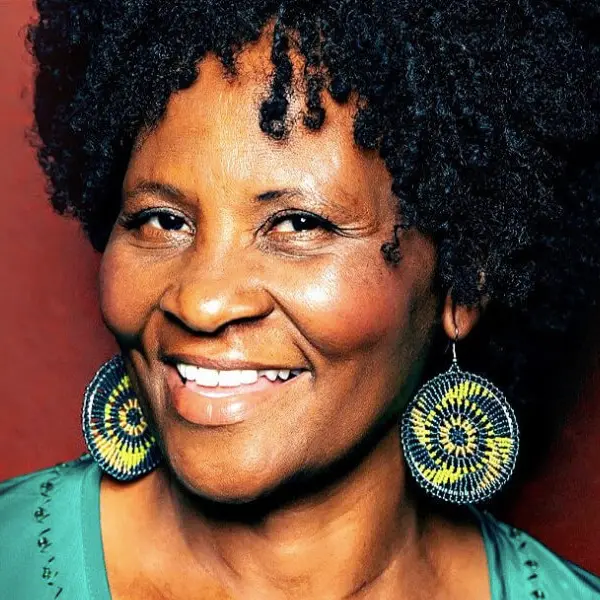
Oprah's All-Time Favorite Guest | Founder, Tererai Trent International | Education Advocate & Women's Empowerment Champion | Author, The Awakened Woman | PhD, Western Michigan University

Founder & CEO of Zuora | Architect of the Subscription Economy | Bestselling Author of Subscribed | Former Salesforce CSO & CMO | Amplitude Board Director


© 2026 Aurum Speakers Bureau. All Rights Reserved

| Basic Data Protection Information | |
|---|---|
| Data controller | AURUM SPEAKERS BUREAU S.L. |
| Address | Parc Audiovisual de Catalunya 1, Oficina S11, 08225 Terrassa, Spain |
| Purposes | We will use your data to respond to your requests and deliver our services to you. |
| Marketing | We will only send you marketing correspondence if you have given your prior consent, which you can do by ticking the box for that purpose. |
| Lawful basis | We will only process your data if you have given your prior consent, which you can do by ticking the box for that purpose. |
| Recipients | Generally, only our members of staff who have been duly authorised may access the data that you have provided. |
| Your Rights | You have the right to know what information we hold about you, to rectify it and to erase it, as explained in the additional information available on our website. |
| Additional Information | For more information, please see our "PRIVACY POLICY". |